

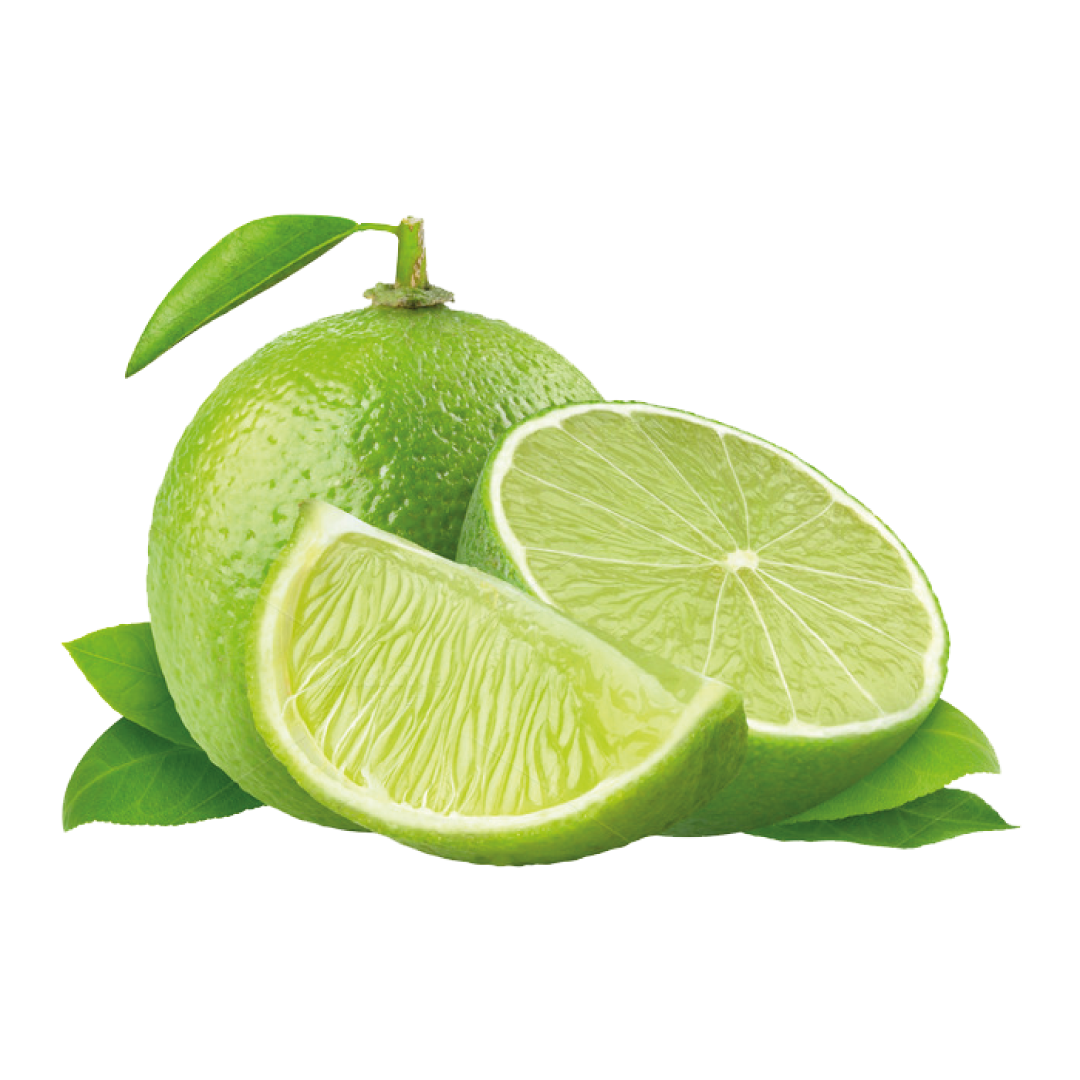






Beer with lemon has moved beyond its role as a summer whim to earn a permanent spot in many breweries. In fact, the market backs this trend, since beer generated roughly USD 897.12 billion worldwide in 2025 (Straits Research, 2026).
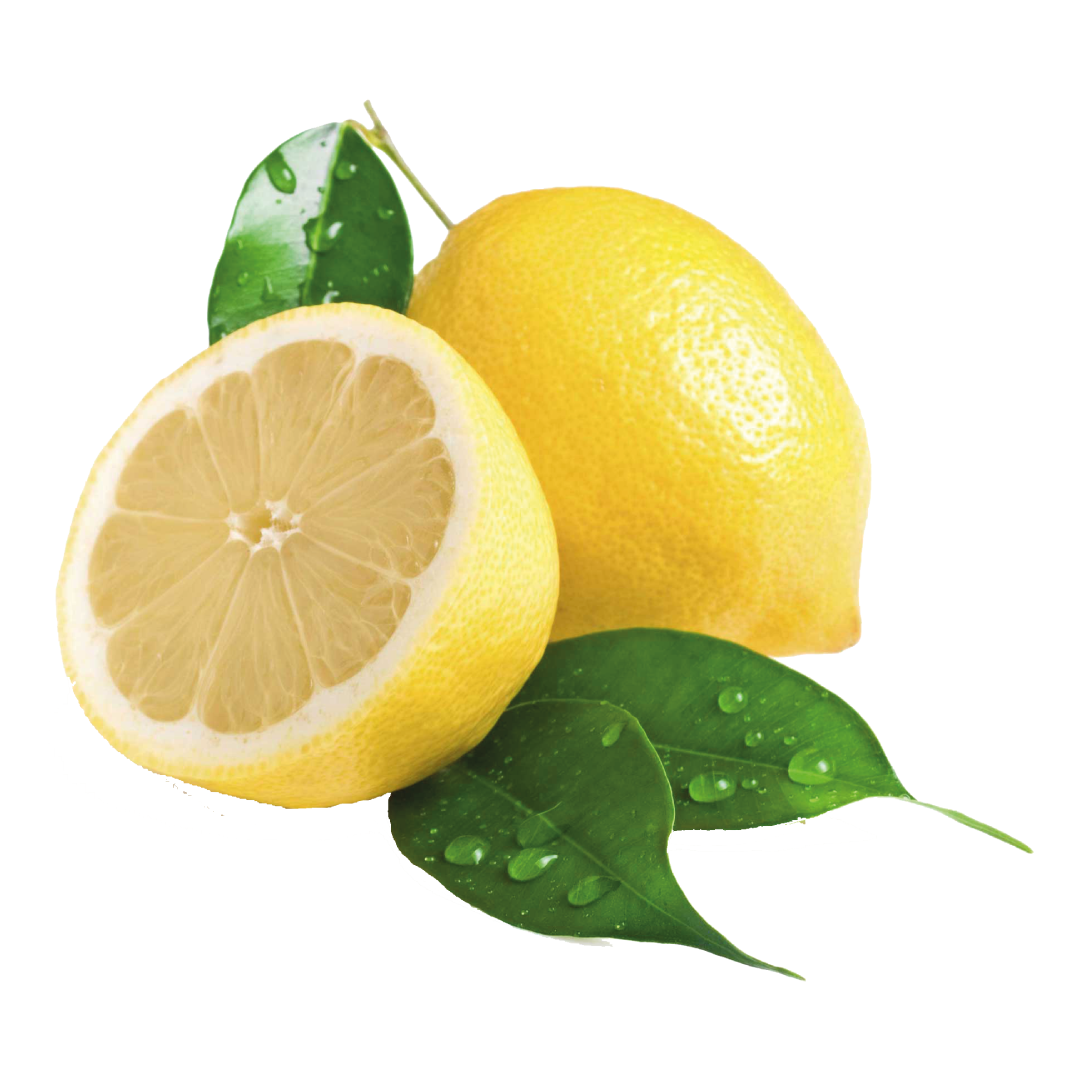
This guide looks at its preparation from the brewhouse floor rather than from the glass in your customer’s hand. You will learn to scale a lemon puree in a 44 lb aseptic bag into exact pounds per barrel. Moreover, you will discover which stage suits each addition, how to protect your pH, and when lemon does not belong.
Beer with lemon: four styles and four ways to use the citrus
Anyone who has asked “What is a craft beer?” knows that malt and starting acidity decide whether lemon refreshes a base or clashes with it. Better yet, demand works in your favor, since more drinkers now show a growing interest in low-alcohol beverages. These are the styles where beer with lemon performs best, each with its own balance of malt and acidity:
● Shandy: this light style combines beer with lemonade and keeps the alcohol content pleasantly low for easy drinking.
● Radler: with roots in German tradition, it builds on a lager base and lets the citrus take center stage.
● Wheat beer: its natural turbidity and spicy notes embrace a moderate dose of lemon without losing their character.
● Sour: the style already brings its own acidity, so lemon simply sharpens the tartness that the base delivers.
Once you have chosen your style, it is time to pull out the calculator and run the numbers.
How much lemon puree goes into a barrel and when to add it
No universal dose exists, because every base brings its own bitterness and acidity to the brewing equation. For that reason, run a pilot batch with increasing doses of lemon puree for beer before committing any volume. When you find the sweet spot in that trial, you can scale the recipe up with real confidence. A 31-gallon barrel equals 117.3 liters, so each gram per liter represents 0.26 lb/BBL in the following breakdown:
|
Pilot dose |
lb/BBL |
Puree for 15 BBL |
44 lb bags |
|
10 g/L |
2.6 |
38.8 lb |
0.9 |
|
20 g/L |
5.2 |
77.6 lb |
1.8 |
|
40 g/L |
10.3 |
155.2 lb |
3.5 |
Timing matters just as much as quantity, because each stage of the process treats lemon aroma differently. A kettle addition sanitizes the puree, but the boil strips away much of the fresh aroma you want. During primary fermentation, the escaping CO₂ carries off part of the citrus nose along with it. Secondary fermentation, by contrast, preserves that aroma far better, as long as the puree arrives clean and stable.
pH, turbidity, and shelf life: the three fronts of beer with lemon
Lemon brings freshness, but it also introduces three challenges that you should measure from the very first pilot. If you ignore them, the citrus nose will fade quickly once your beer reaches the store shelf. Therefore, before you scale up production, keep a close eye on these three variables in every batch:
● pH: lemon is highly acidic, so check the reading before and after every single addition to the batch.
● Turbidity: pectins cloud the beer, although a pectinase enzyme or a cold-conditioning rest can help it clear.
● Shelf life: oxygen dulls the citrus, so package with low dissolved oxygen and rotate your inventory regularly.
With those factors under control, one honest question remains: does your recipe actually need lemon at all?
Beer with lemon: when it makes sense to leave the citrus out
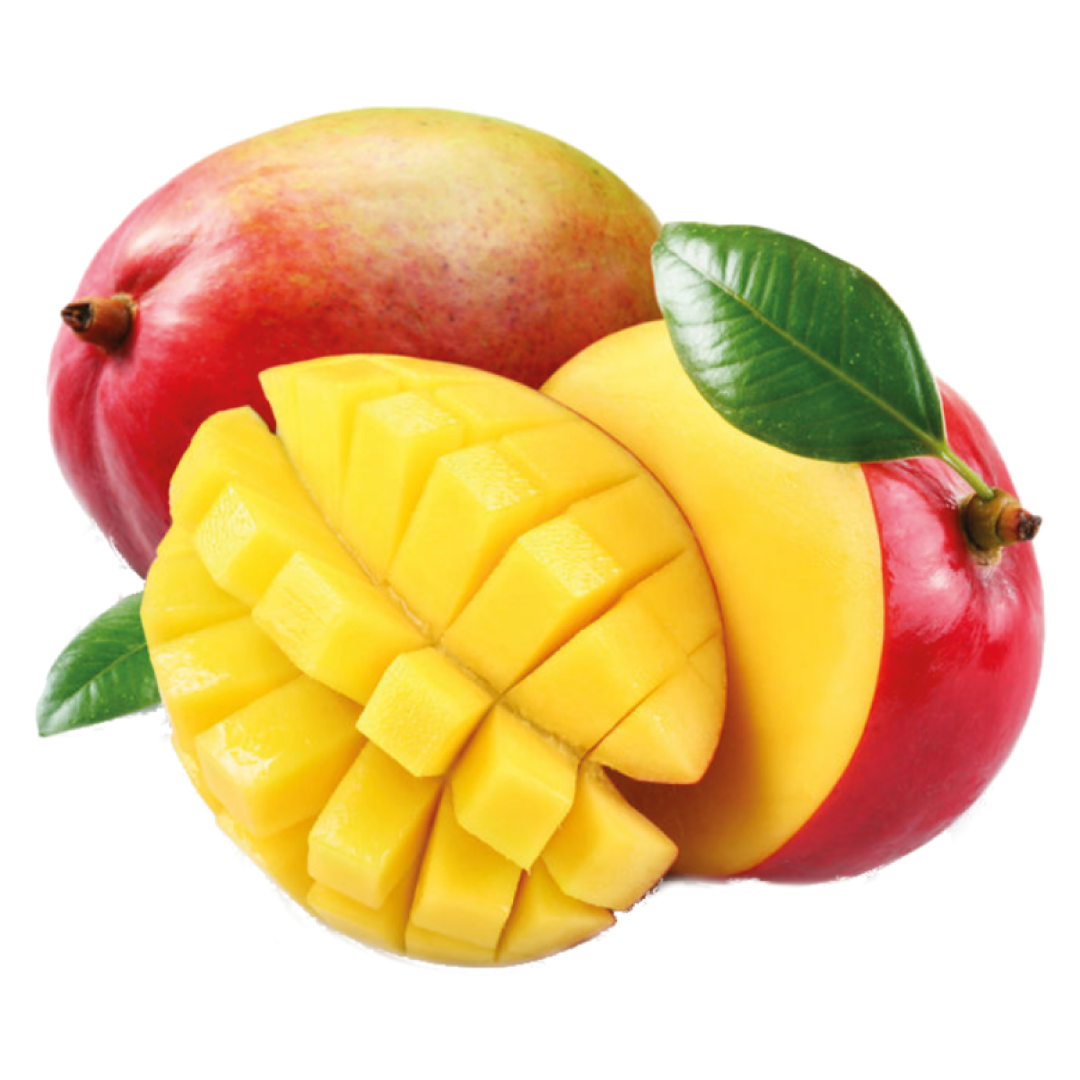
Lemon is no wild card, and treating it as one can easily throw a well-balanced recipe off course. For example, in a stout, a porter, or a bock, it tends to mask the roasted notes of the malt. Before you reach for lemon, consider another fruit, since the same method works for beer with mango, too. If you still hesitate over which product line deserves priority, hard market data can settle the question quickly. To that end, it pays to review the latest beer industry statistics before you commit to a new release.
Aseptic puree, fresh fruit, or extract: which delivers more for your brewery
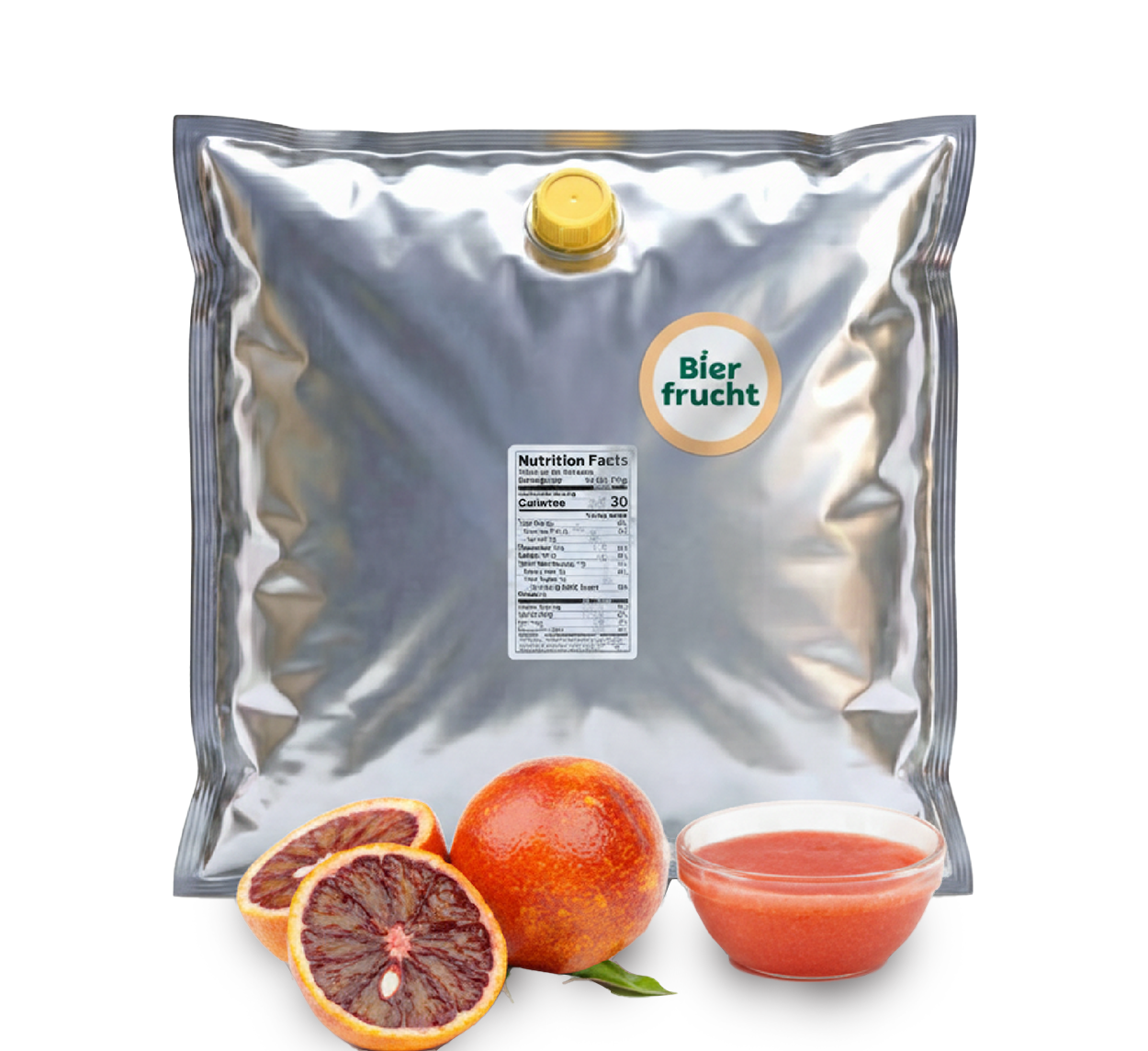
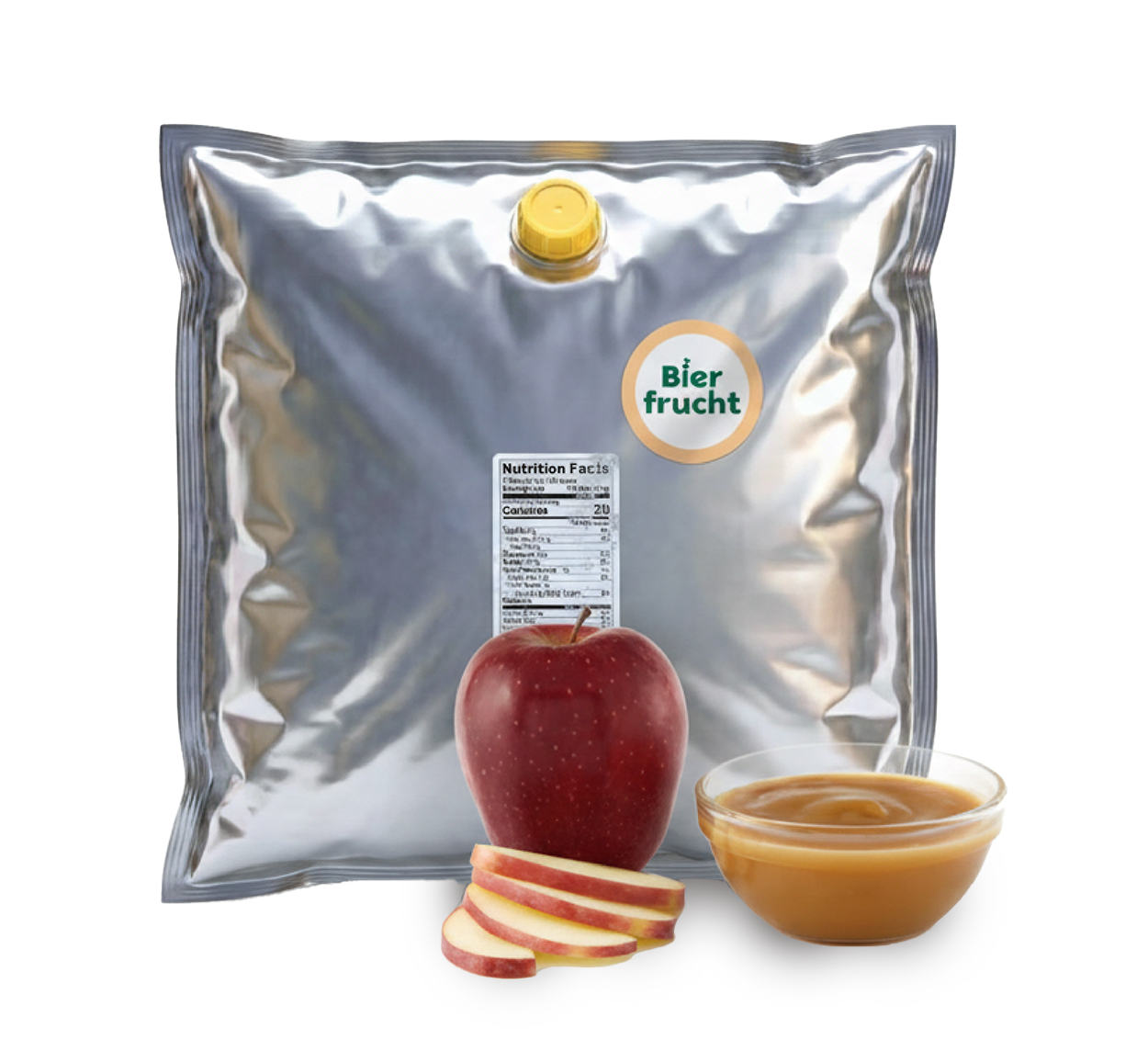
Fresh fruit demands washing and juicing, and its acidity shifts from one harvest to the next without warning. Extract, for its part, contributes aroma to the beer, but it adds no real body or texture. Puree in an aseptic bag, on the other hand, delivers batch-to-batch consistency and a lower risk in secondary.
At Bierfrucht, we offer 100% natural purees, so try one in a single batch first and let your beer with lemon have the final word.
Reference
Fortune Business Insights. (2026). Tamaño, participación y tendencias del mercado de la cerveza (Informe n.º FBI102489). https://www.fortunebusinessinsights.com/es/beer-market-102489
Industry Research Biz. (2026). Beer market size report (Informe n.º IRB117723). https://www.industryresearch.biz/market-reports/beer-market-117723
Mordor Intelligence. (2026). Tamaño y participación del mercado de la cerveza. https://www.mordorintelligence.com/es/industry-reports/beer-market
Straits Research. (2026). Tamaño del mercado cervecero, participación, crecimiento, oportunidades y análisis, 2034. https://straitsresearch.com/es/report/global-beer-market