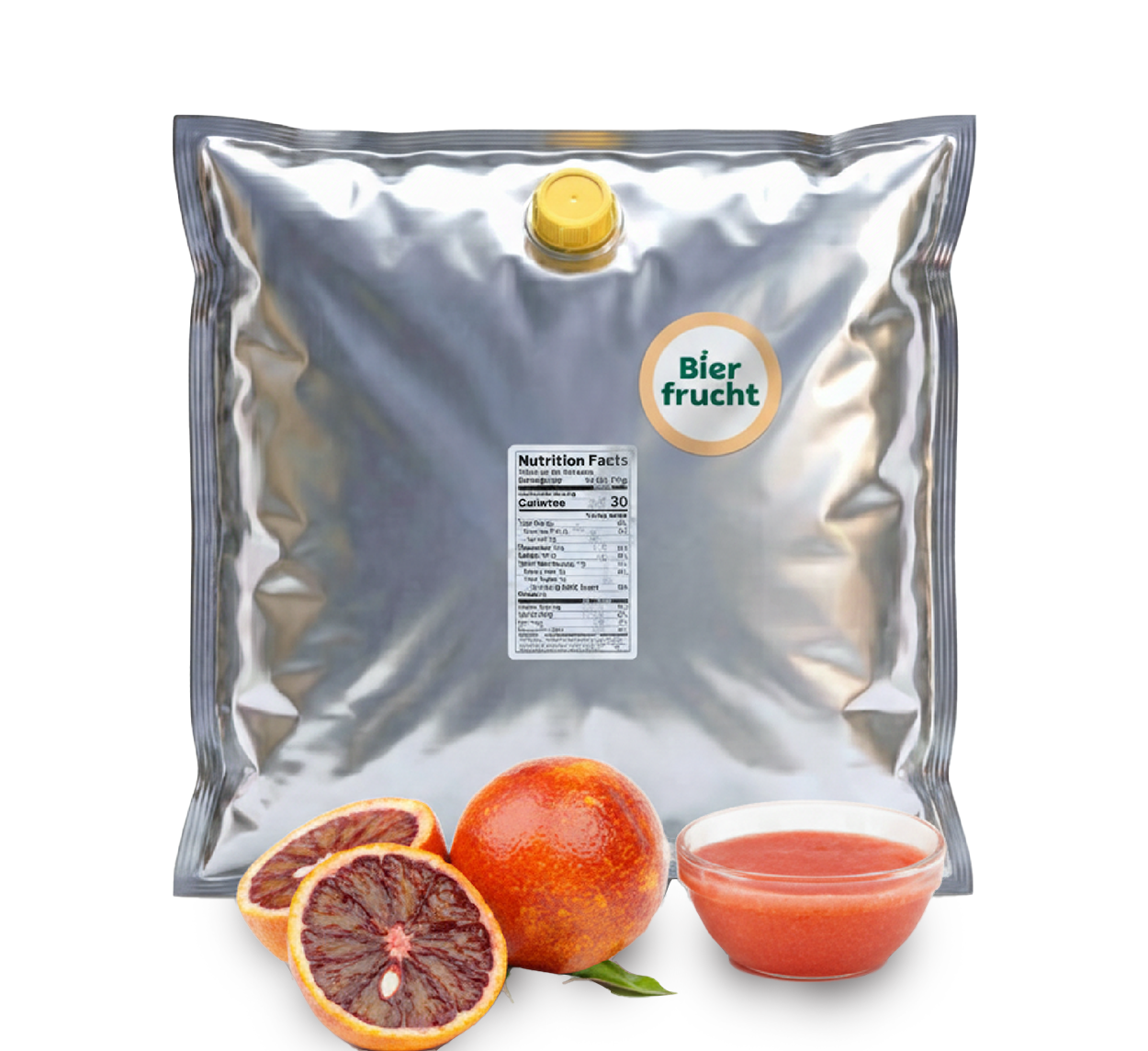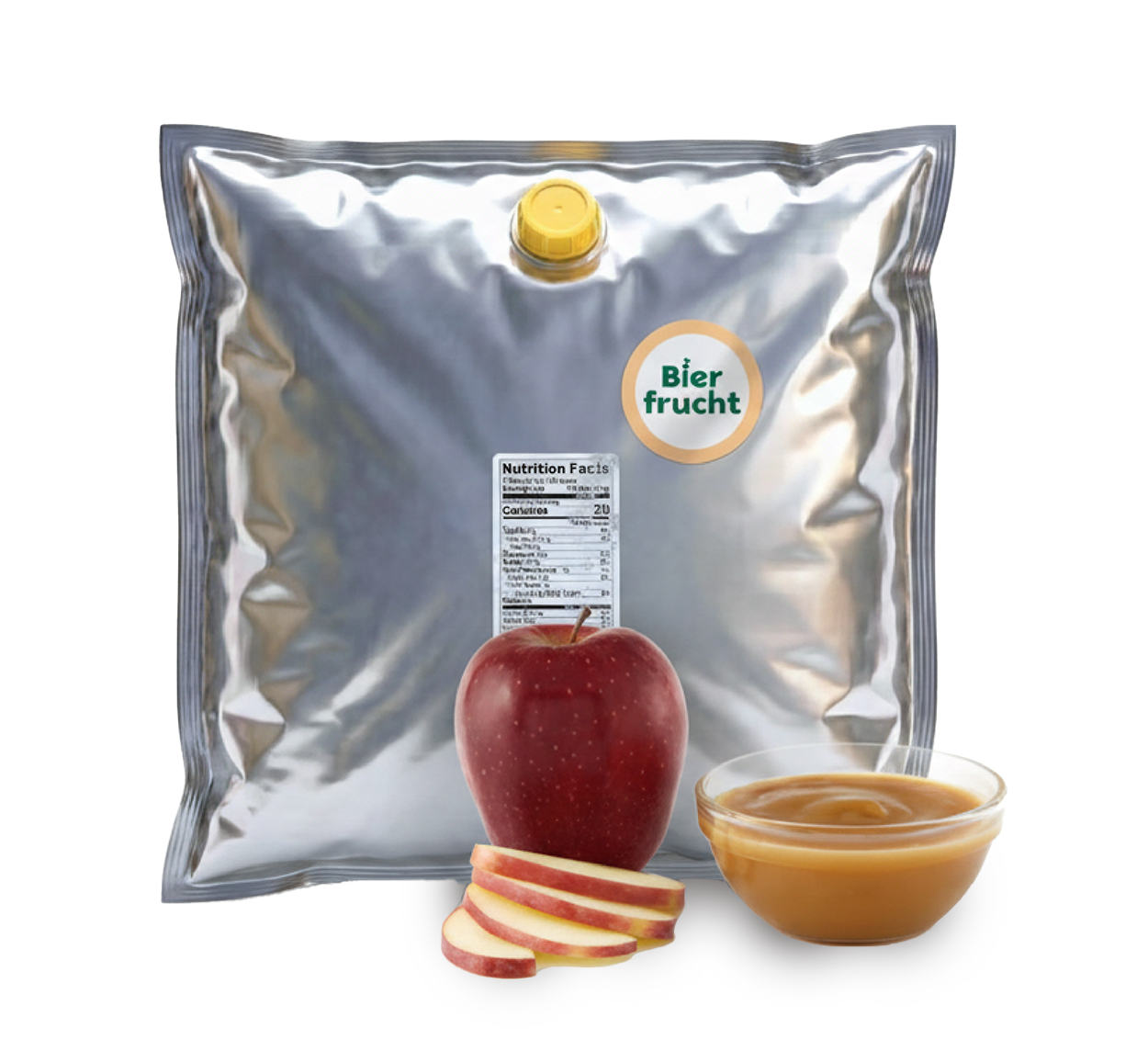


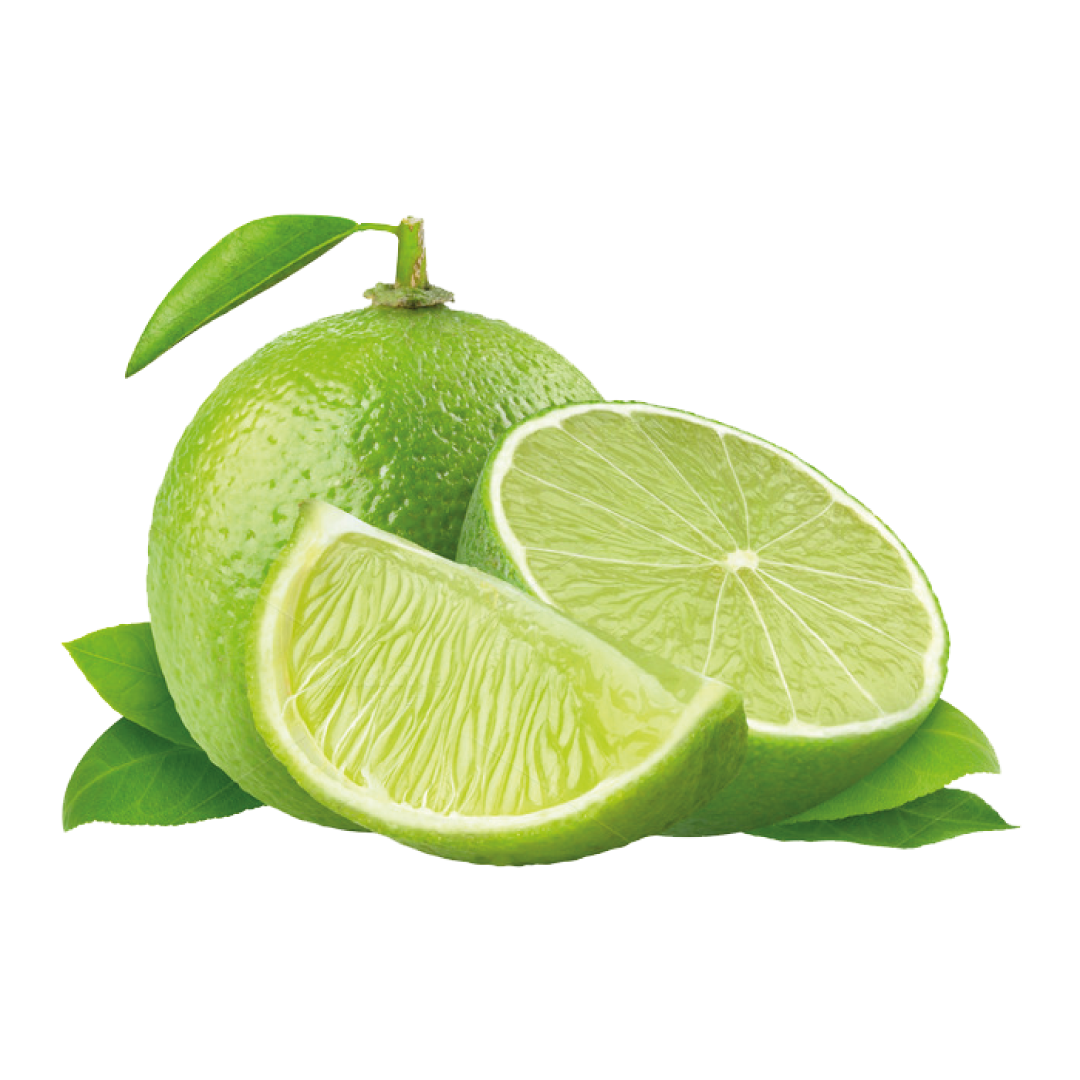
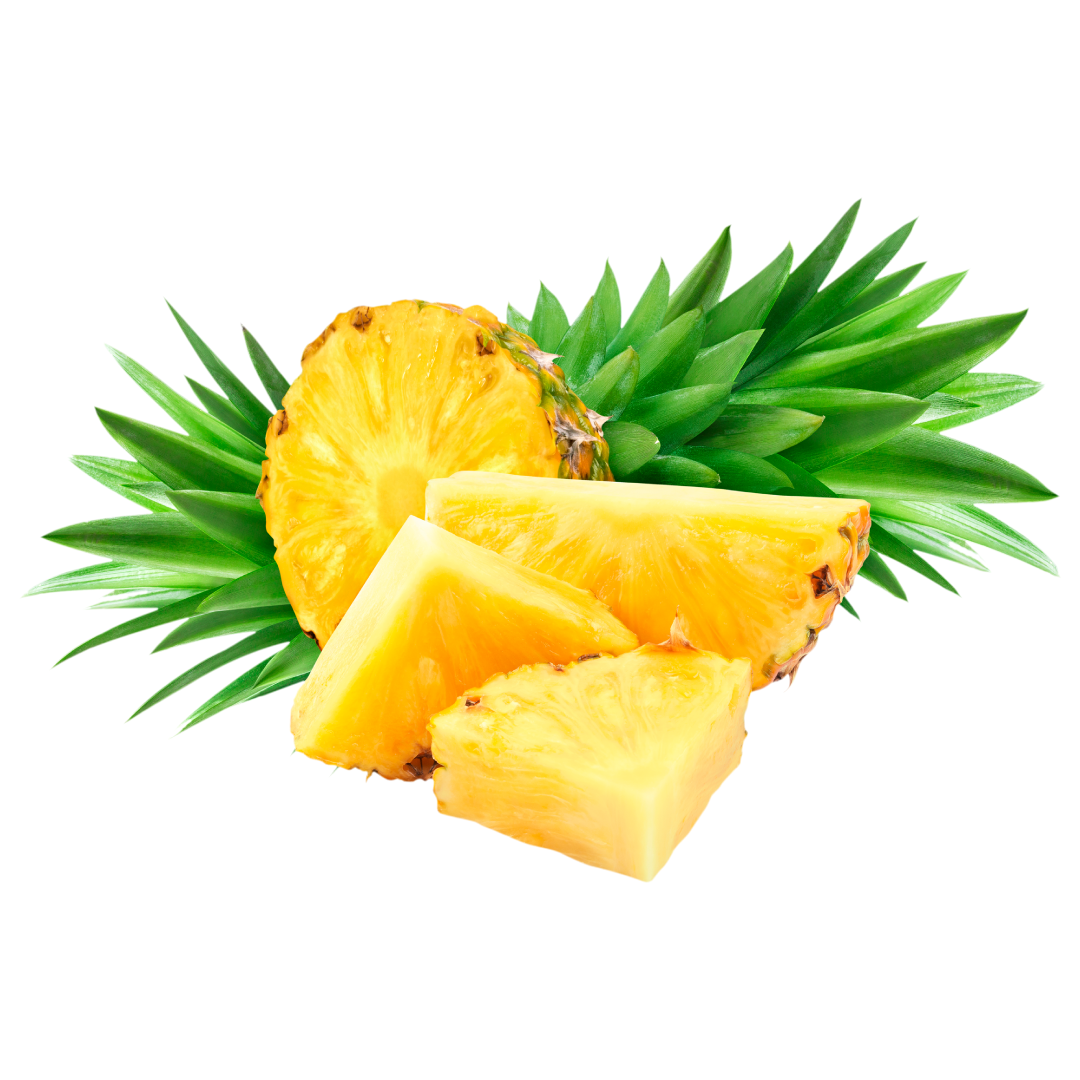
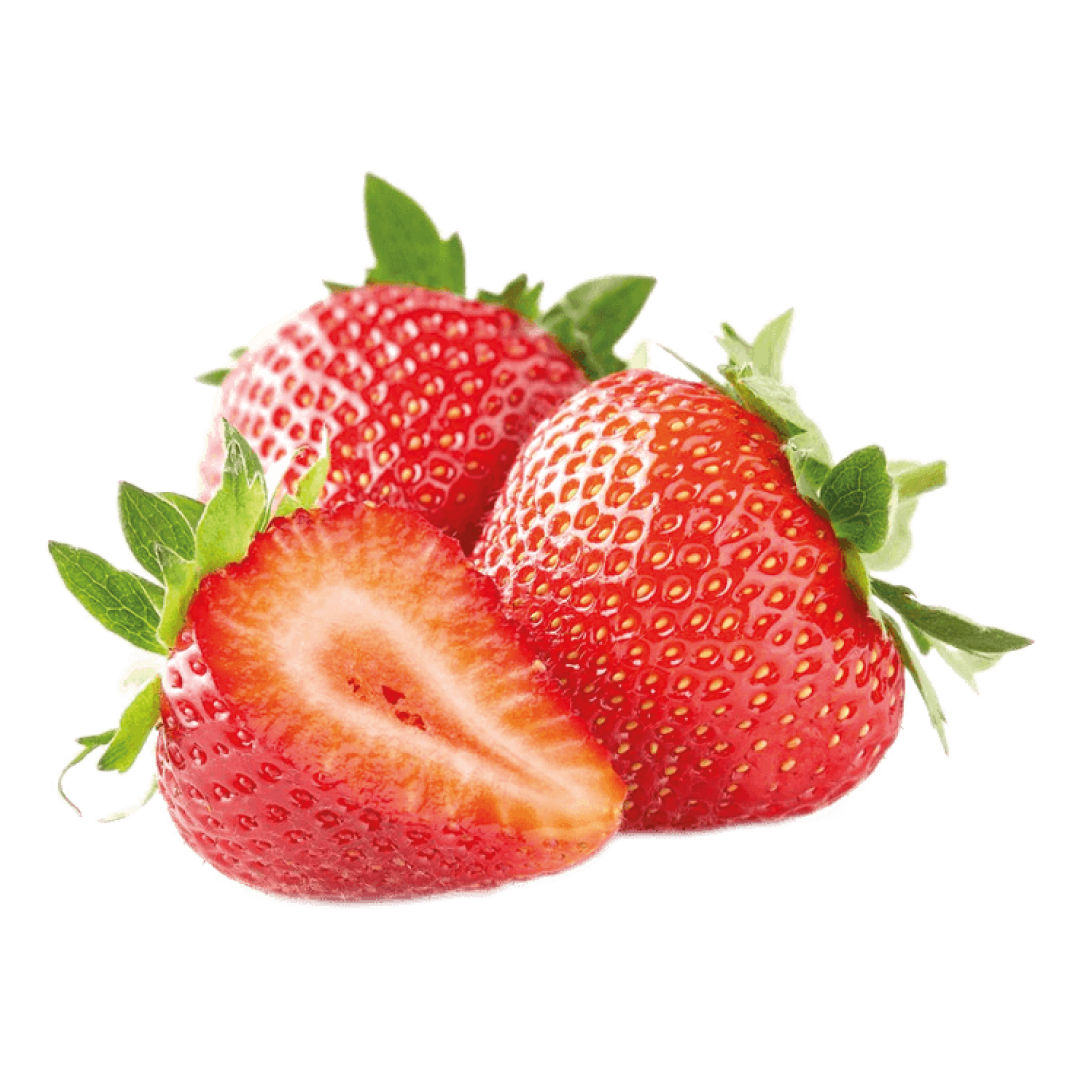
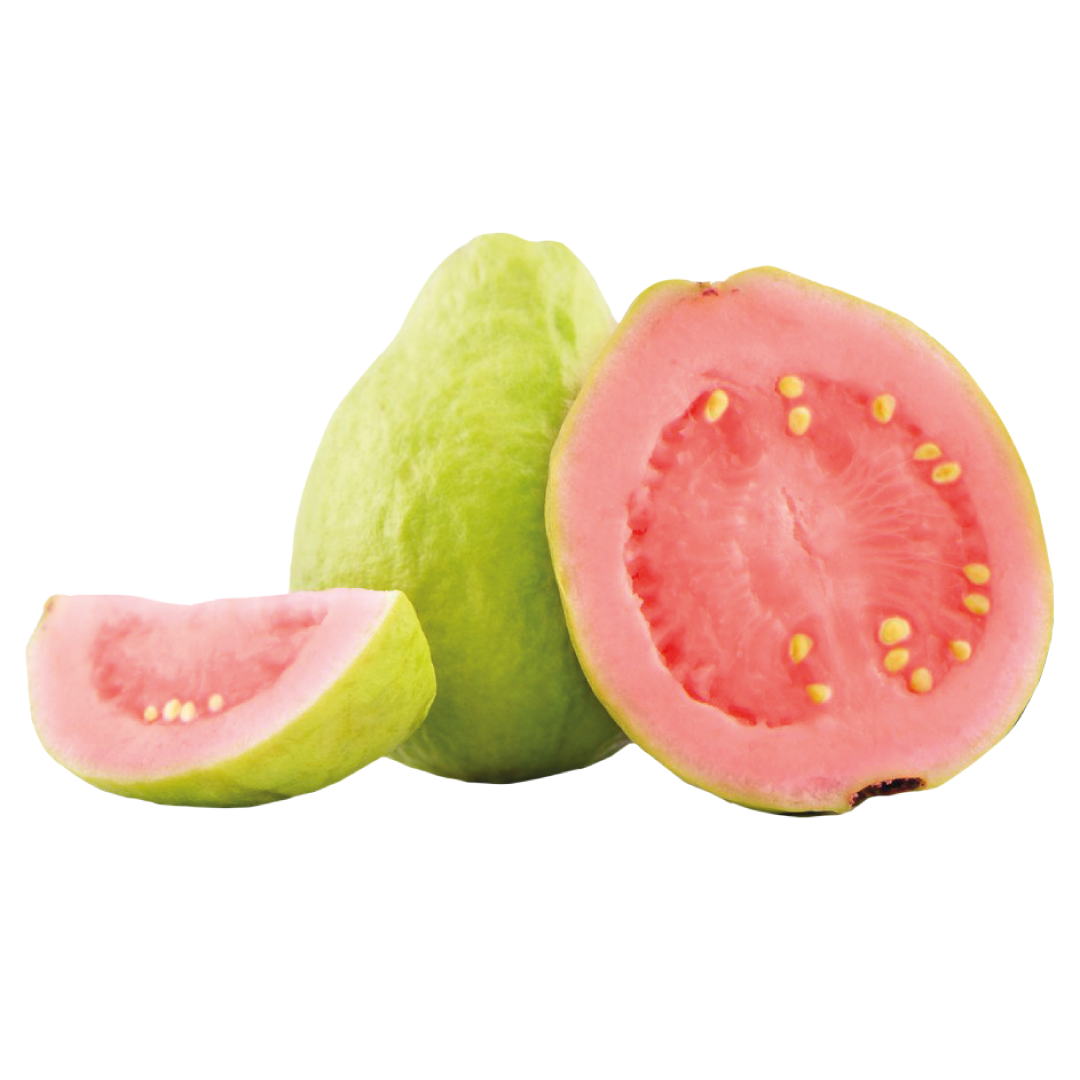





With fruit puree for beer, you must define two things: pounds per barrel and the right time to add it. If you use too much, the fruit masks the malt; if you use too little, it barely comes through. Below, you will find the ranges for each style, along with the ideal moment for each addition.
How much fruit puree for beer should you use per barrel?
In general, the puree dosing rate per barrel depends on the style and on how prominent you want the fruit to be. For reference, a US barrel equals 31 gallons (27 C.F.R. § 25.11), so each pound per gallon adds 31 pounds per barrel. With that in mind, use these ranges as a starting point and adjust them to your recipe:
|
Style |
Dosing rate (lb/BBL) |
Addition timing |
Expected effect |
|
Sour beer (sour) |
31-62 (1-2 lb/gal) |
In secondary |
Fruit takes center stage, plus color |
|
Berliner Weisse (Berlin-style wheat) |
16-47 (0.5-1.5 lb/gal) |
In secondary |
Pronounced fruit over a tart base |
|
Fruited IPA |
8-23 (0.25-0.75 lb/gal) |
End of primary |
Boosts fruity hop character |
|
Hard seltzer-style beverage |
8-16 (0.25-0.5 lb/gal) |
After fermentation |
Color, flavor, and some haze |
When should you add the puree: kettle, primary, or secondary?
Each addition point changes the aroma, the attenuation, and the risk of refermentation in a different way. Therefore, before locking in the recipe, decide what to preserve from the fruit and how much tank control you have:
- Kettle. A kettle addition lowers microbiological risk; however, the boil also drives off part of the aroma.
- Primary. In this stage, the yeast consumes the fruit's sugars, which raises attenuation and dries out the overall profile.
- Secondary. By comparison, secondary fermentation preserves more of the aroma, although it requires close monitoring of pressure and refermentation.
Why choose Bierfrucht for your brewery?
At Bierfrucht, we work with aseptic puree for breweries that is 100% natural and comes with a steady supply. As a result, replicating your fruit flavored beer batch after batch is no longer a gamble. Next, compare how it performs in the brewhouse against the other formats you may already use:
|
Format |
Yield |
Batch-to-batch consistency |
Handling |
Label |
|
Aseptic puree |
High |
High |
Ready to use |
Fruit |
|
Fresh fruit |
Variable |
Low |
Requires processing |
Fruit |
|
Concentrate |
High |
High |
Needs dilution |
Concentrate |
|
Extract |
Minimal dose |
High |
Very simple |
Flavor |
Would you like to confirm these results for yourself before you commit to a new format? If so, request your sample and compare it side by side with the format you currently use. That said, review the technical data sheet before loading the tank, because these figures change the outcome:
- Degrees Brix. This reading measures the soluble solids in the puree, especially the fermentable sugars that yeast will consume.
- pH. A highly acidic puree reinforces sour styles; on the other hand, it can throw malty bases off balance.
- Shelf life. As long as the bag stays closed, the aseptic packaging protects the product; after you open it, refrigerate it.
In addition, before you fill a production tank, work through these three steps in order:
- Run a pilot. First, test the fruit puree for beer in a five-gallon batch at the midpoint dosing rate.
- Measure and taste. Then, compare the final gravity, acidity, and aroma of the pilot against those of your base recipe.
- Scale up. Finally, adjust the dosing rate and multiply it by your barrel count before placing an order.
Are you ready to put these numbers to work in your next batch at the brewery? In that case, write to us and choose the fruit puree for beer that best fits your recipe.
References
Beer Judge Certification Program. (n.d.). 23A. Berliner Weisse. 2021 BJCP Style Guidelines. https://www.bjcp.org/style/2021/23/23A/berliner-weisse/
Brewers Association. (2026). Brewers Association beer style guidelines. https://www.brewersassociation.org/edu/brewers-association-beer-style-guidelines