






Fruit flavored beer is rapidly and effectively transforming the craft beer scene across the United States today. In fact, this innovative category adds a fresh, juicy touch to traditional profiles, attracting an audience seeking experiences. By combining natural sweetness with brewing quality, these drinks offer a vibrant alternative that redefines our pint expectations.
Definition of Current Fruit Flavored Beer
Many consumers often wonder what differentiates fruit flavored beer from the standard beer found in the market. The answer, however, lies not only in the flavor but significantly in the specific brewing process used. Authentic fruit-infused beer uses fruit as a vital adjunct that participates actively during fermentation or maturation stages. It integrates into the alcoholic profile, which notably distinguishes it from simple mixtures like the radler style.
This category is broad, effectively ranging from light styles to the complex lambics found in specialty shops. The key to success lies in balance, as fruit sweetness must complement, not overshadow, the hop bitterness. For this reason, brewers often avoid excessively bitter bases to allow the fruit to shine through completely. Current projections indicate these beers will be a key sales driver in the sector over five years.
Ingredients in Fruit Flavored Beer
The selection of the raw material naturally defines the ultimate success of your specific brewing recipe. Understanding what consumers seek allows you to innovate with precision, meeting their specific demands and preferences. However, doubts often arise about which fruit flavors are the most popular in the USA today.
Classics and Exotic Vanguard
Profiles have certainly evolved from the basics toward much more complex notes found in modern taprooms.
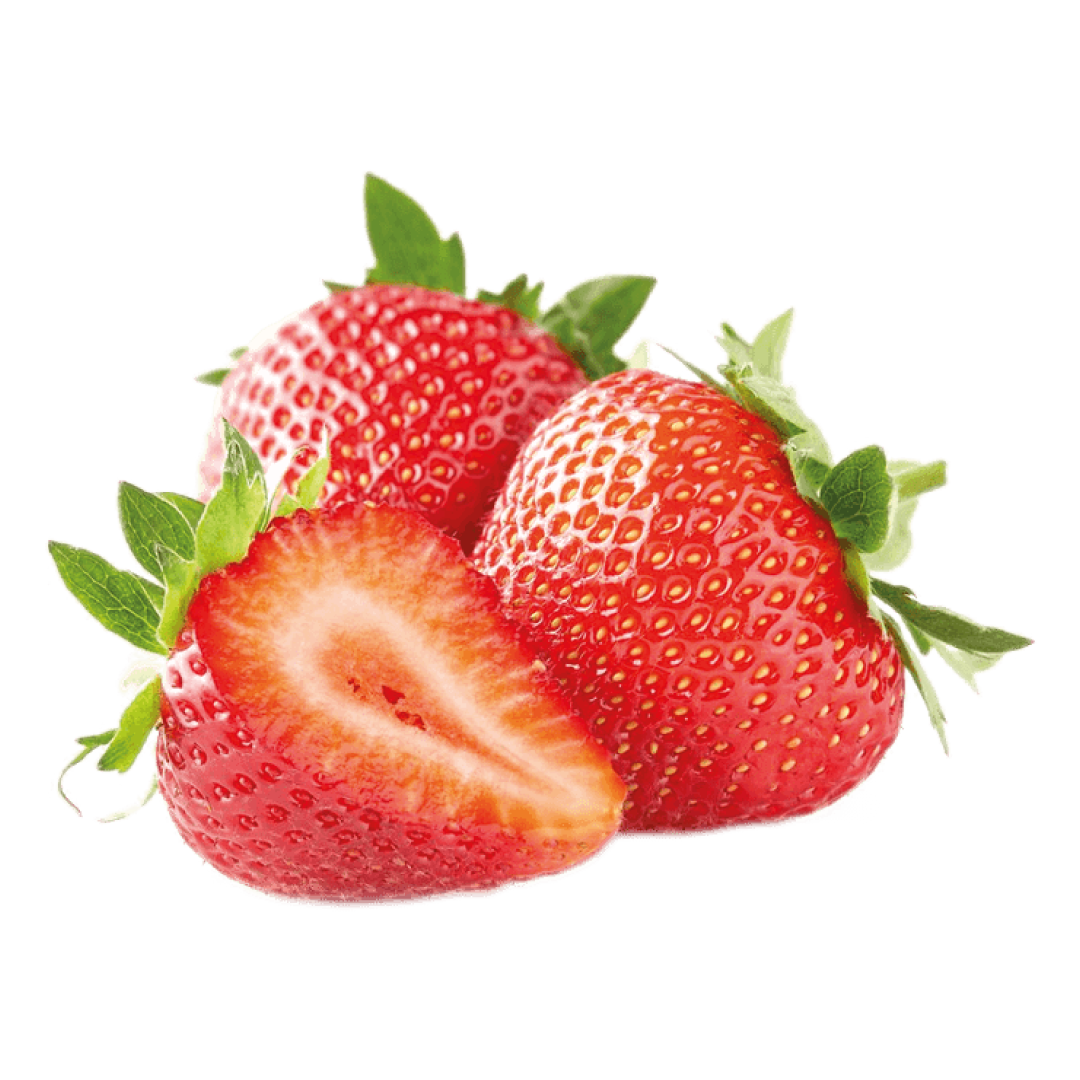
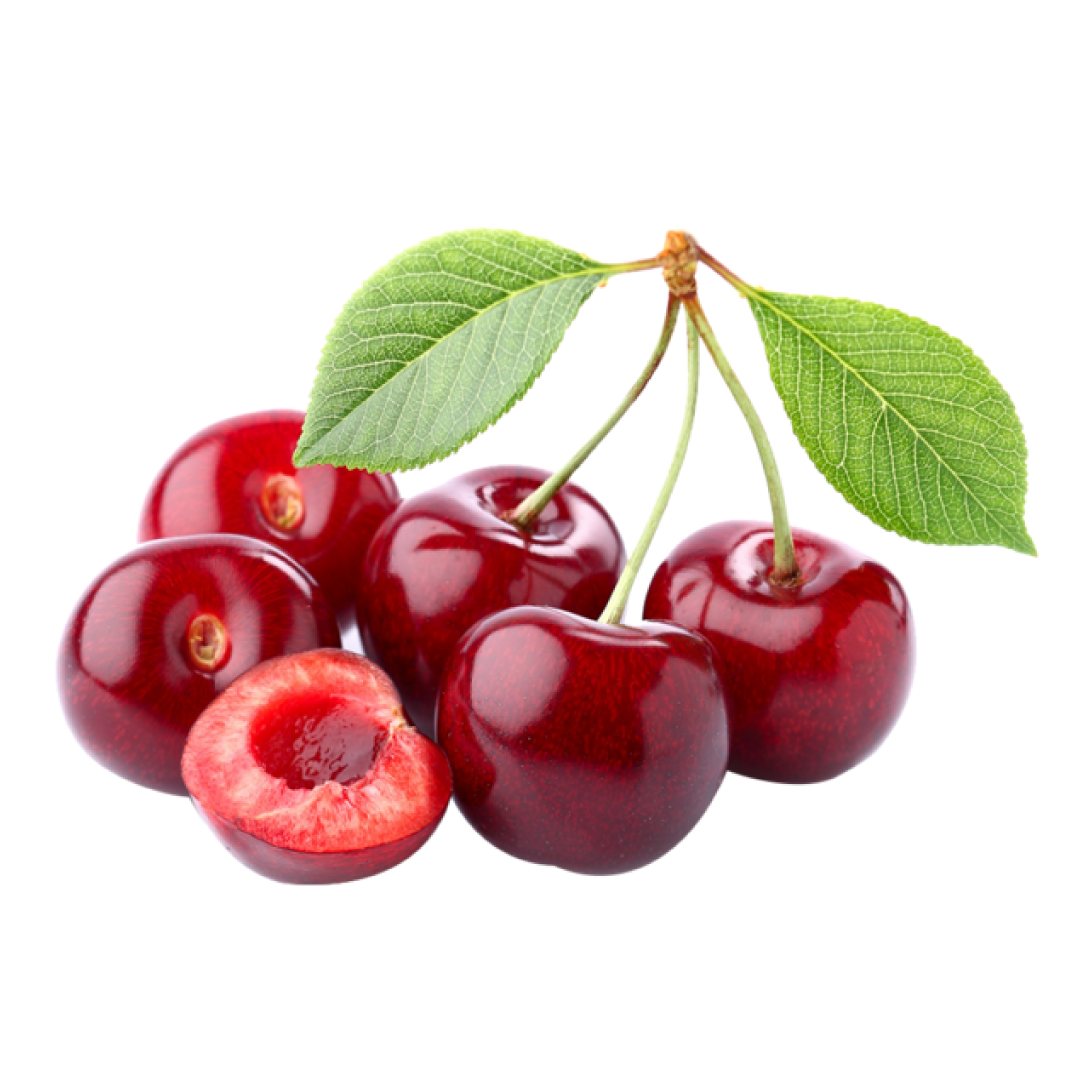
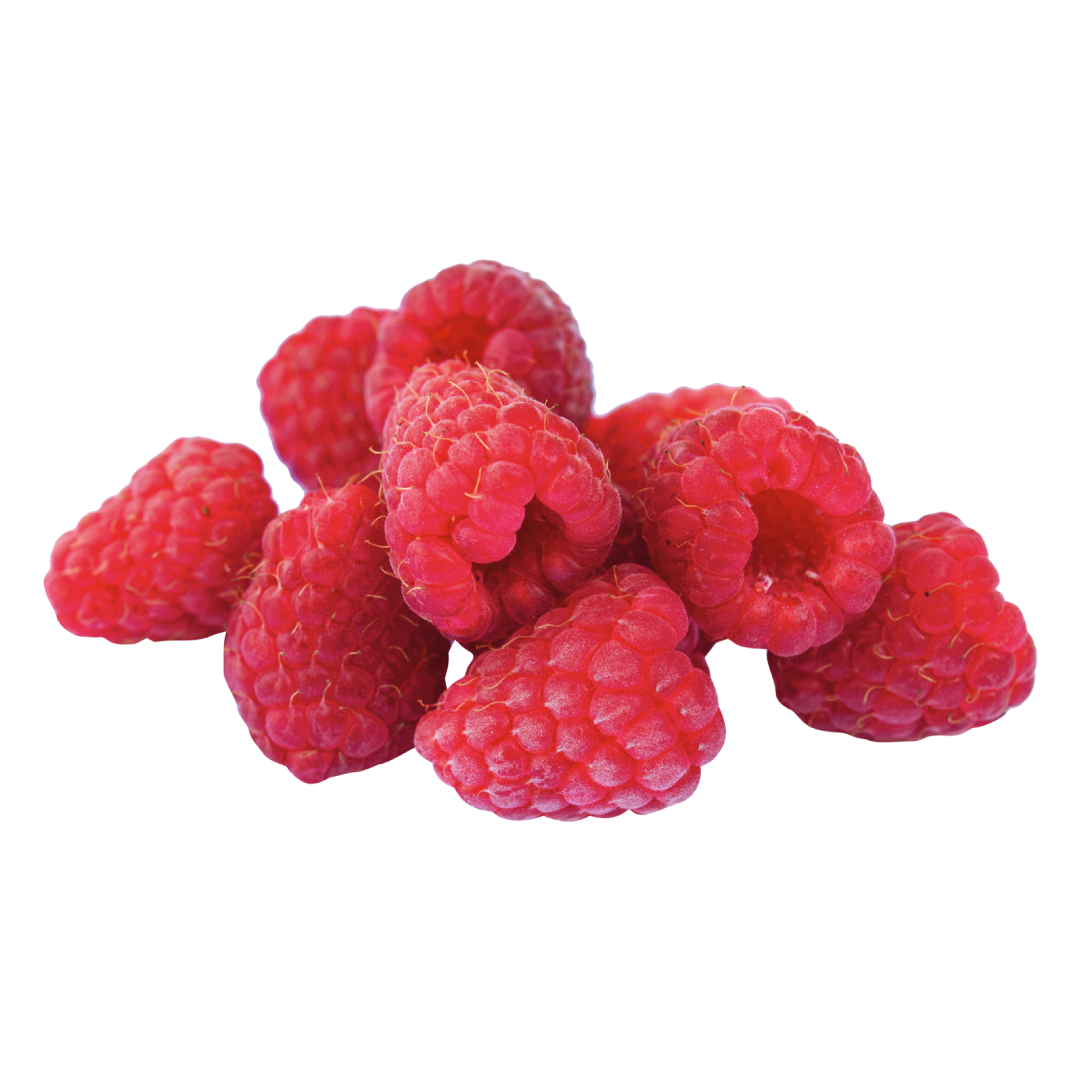
- Cherry and raspberry: These remain undisputed market leaders, and cherry currently stands out as the fastest-expanding style.
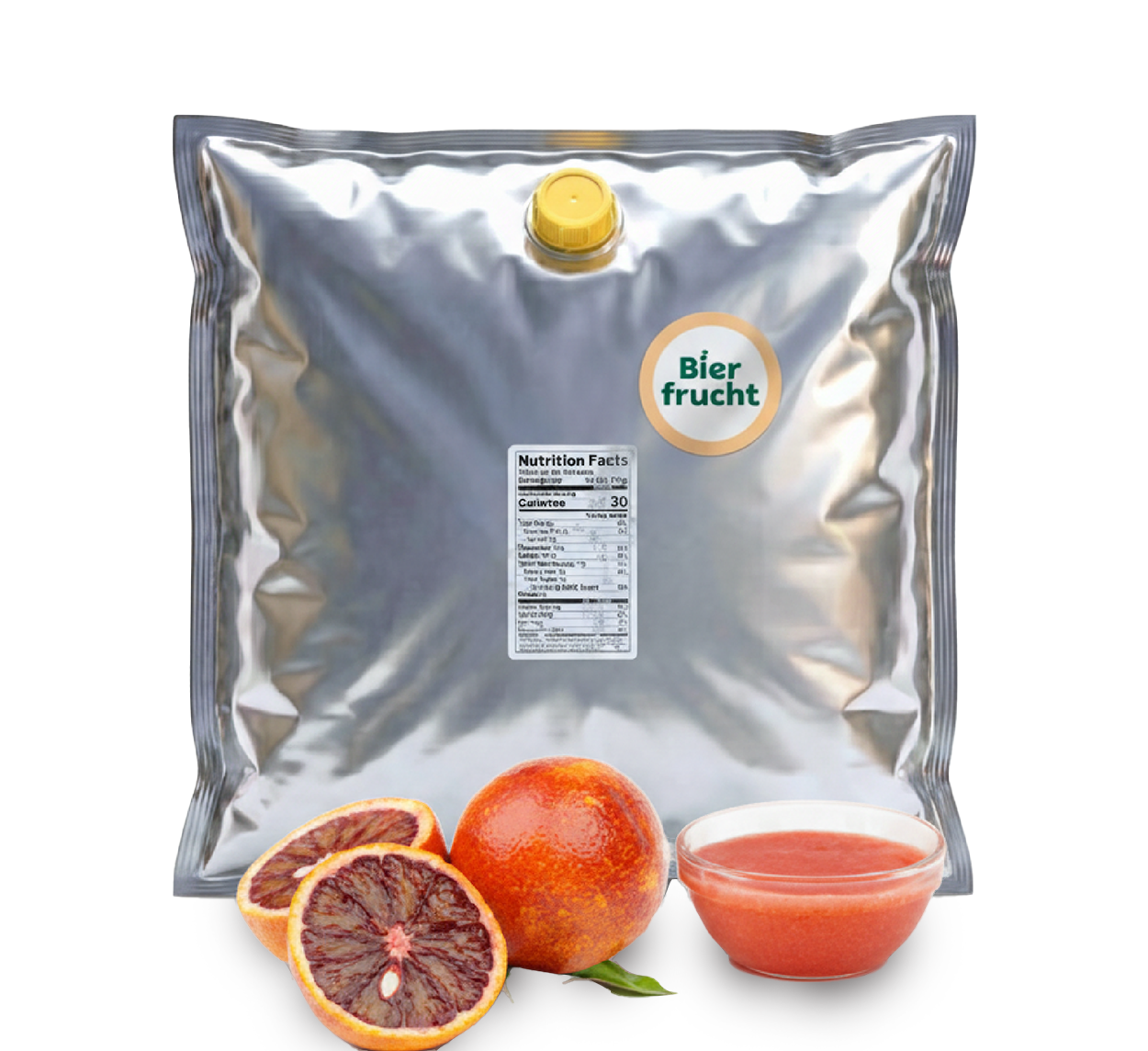
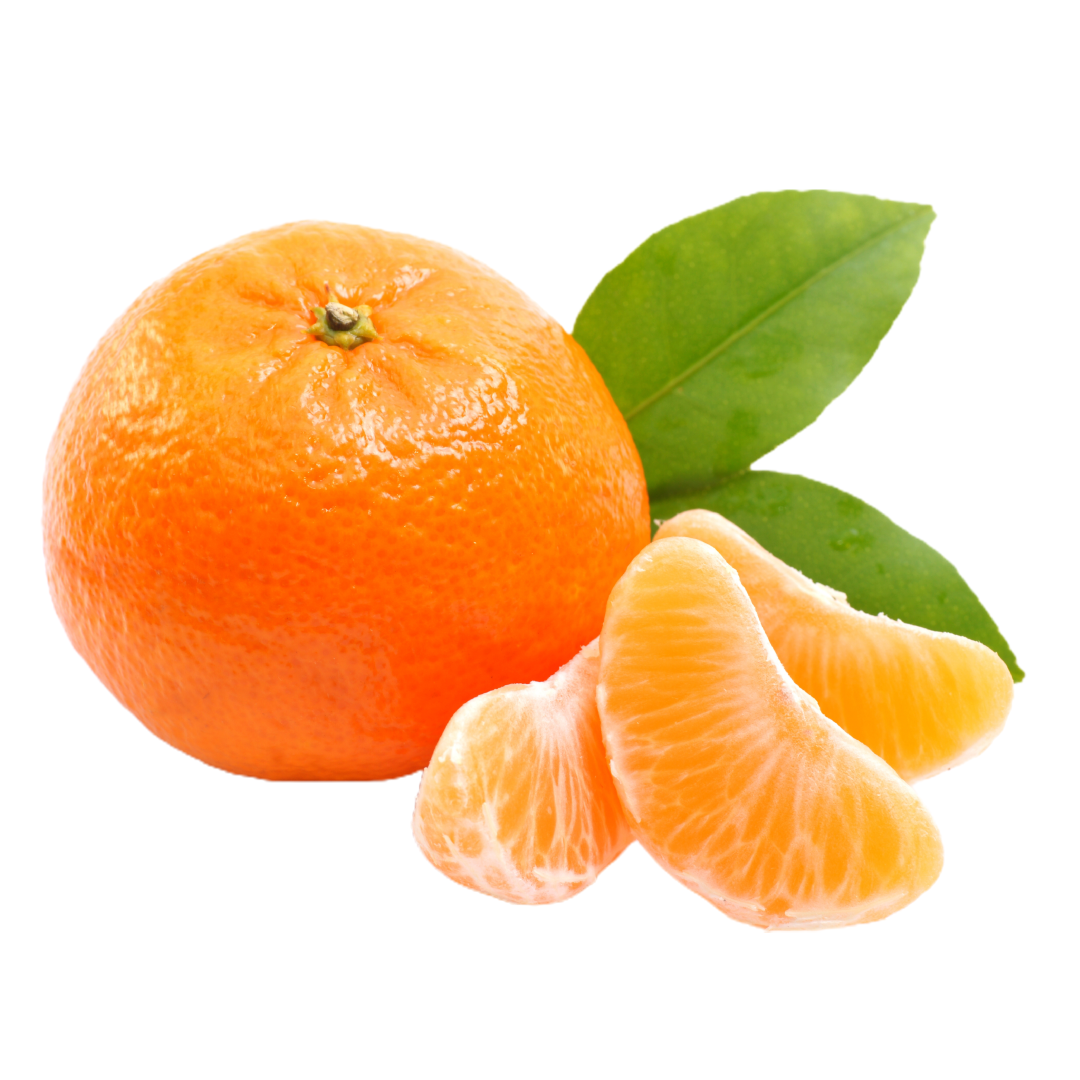
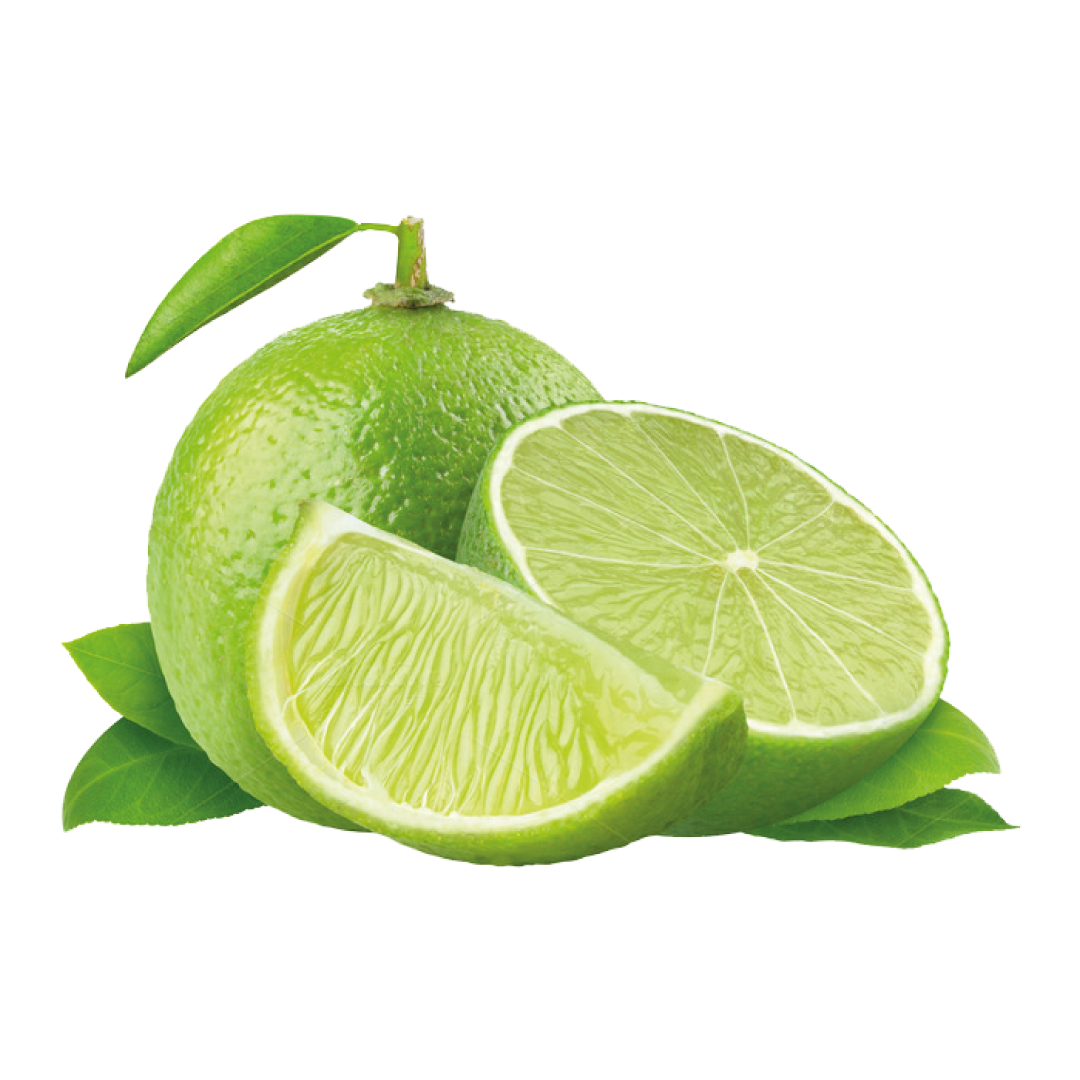
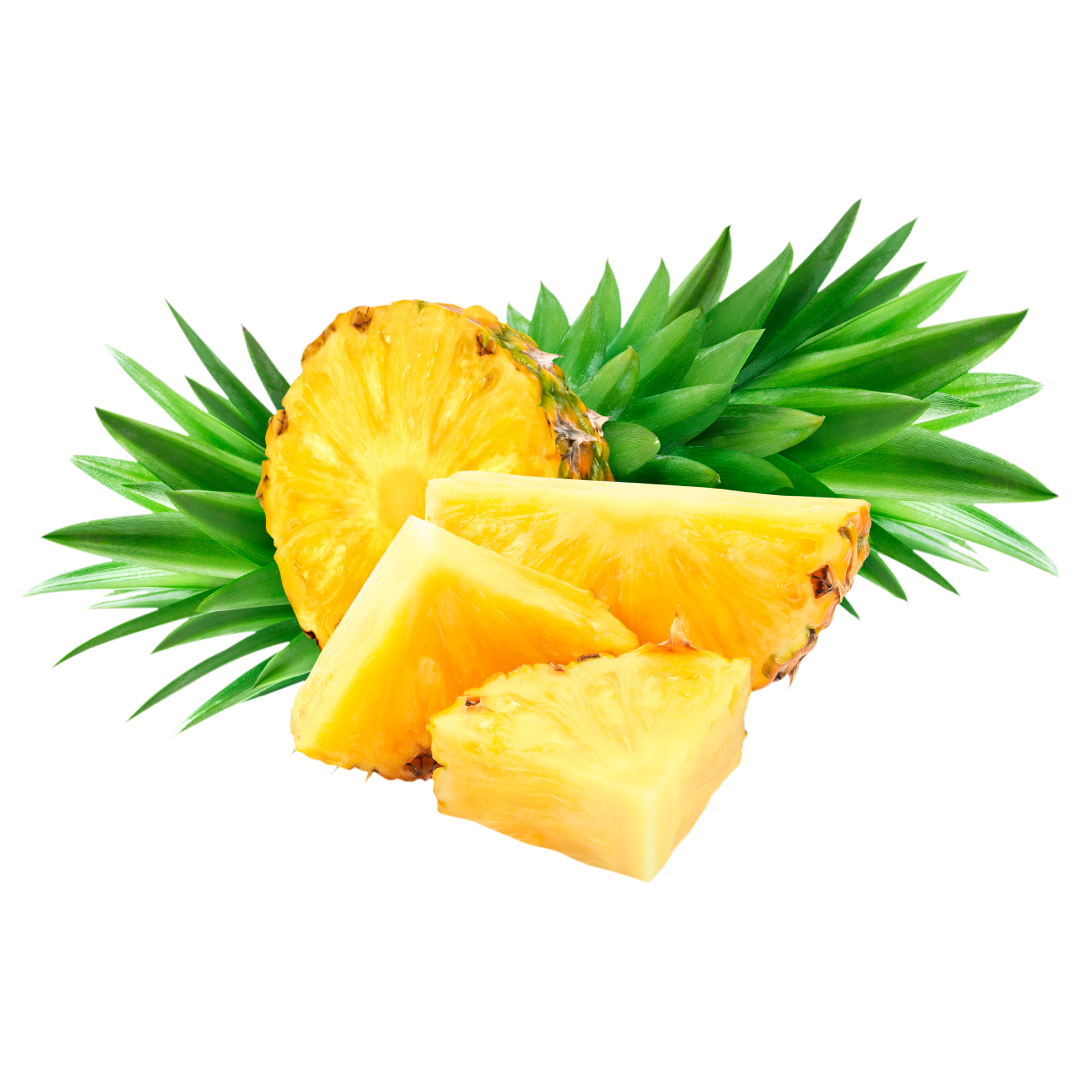
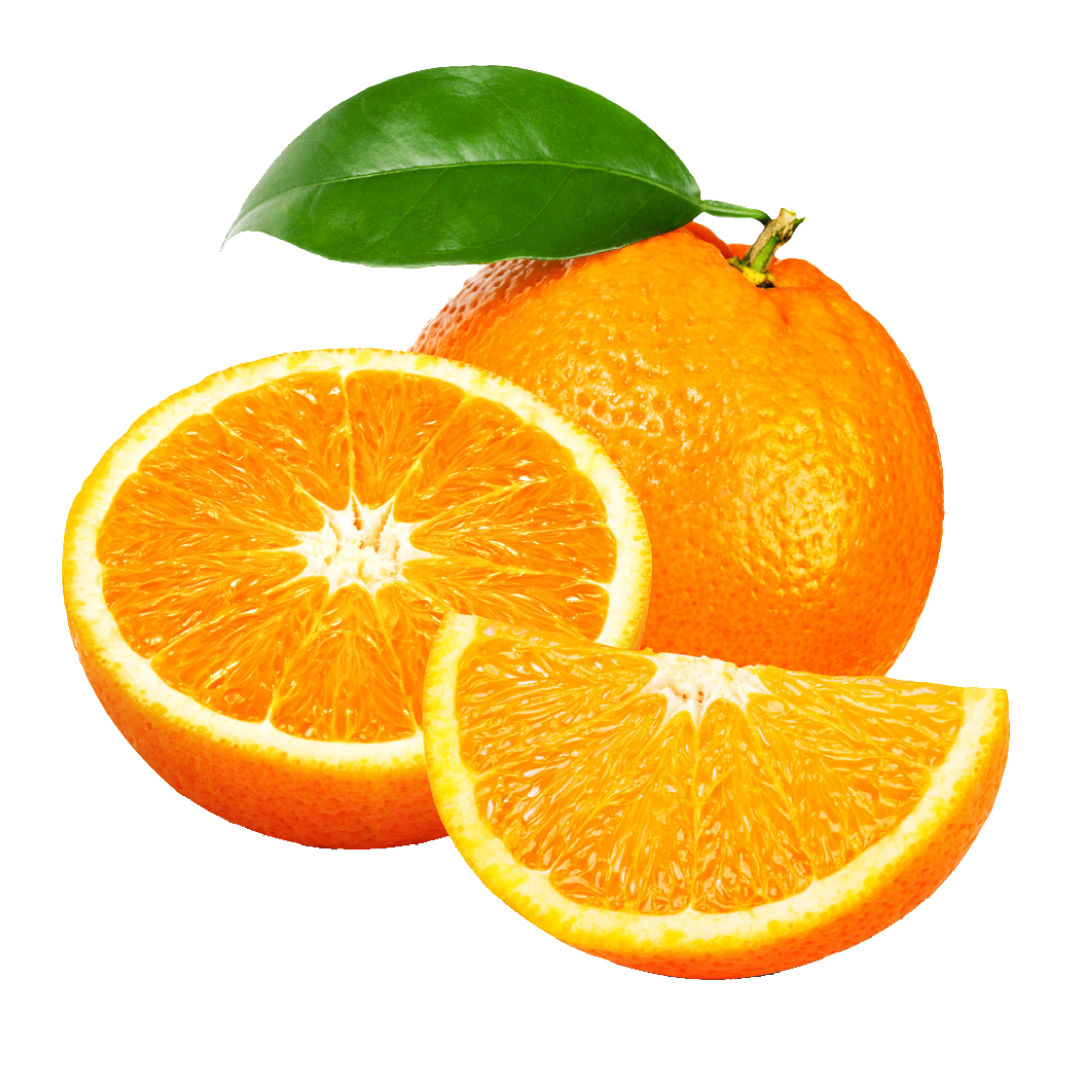
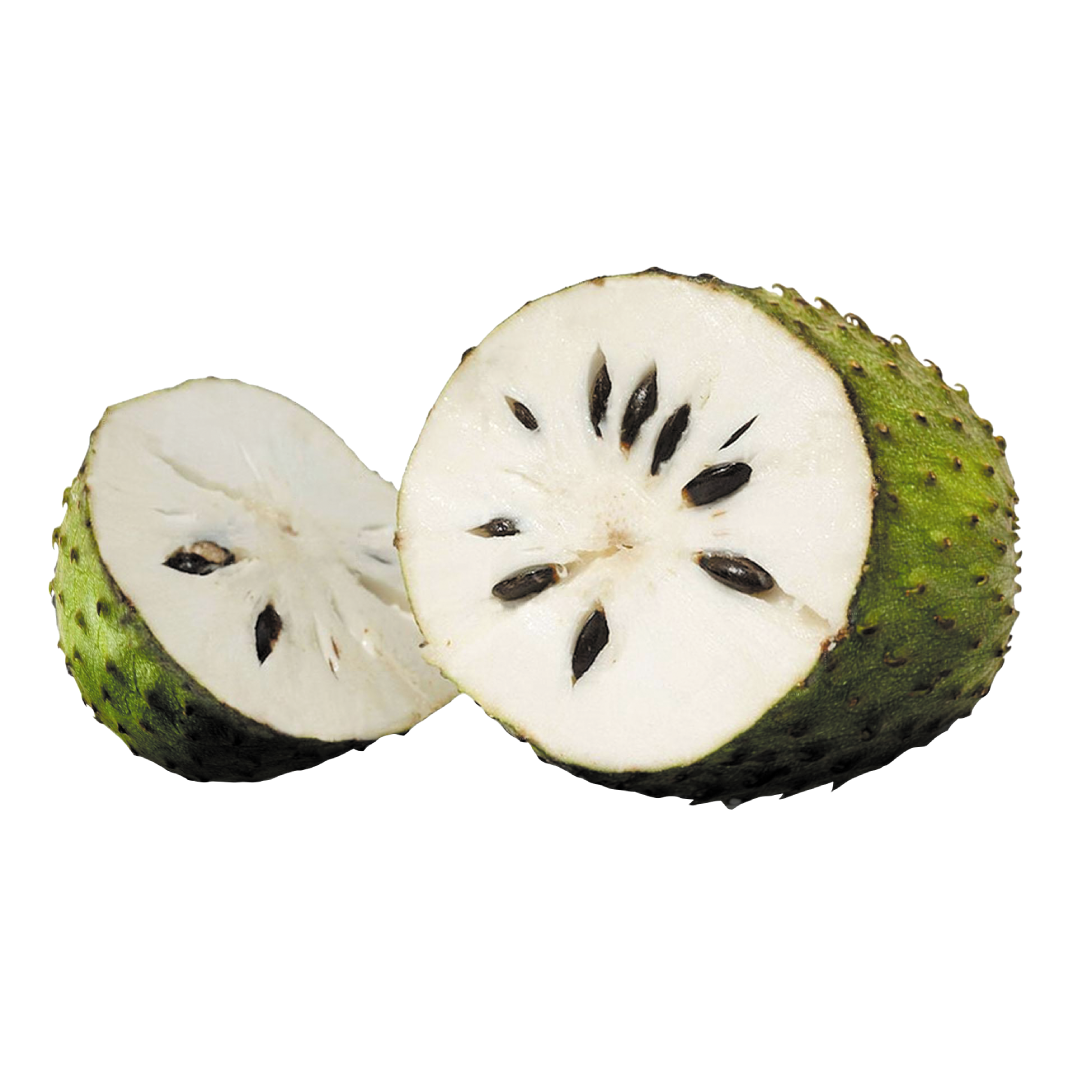
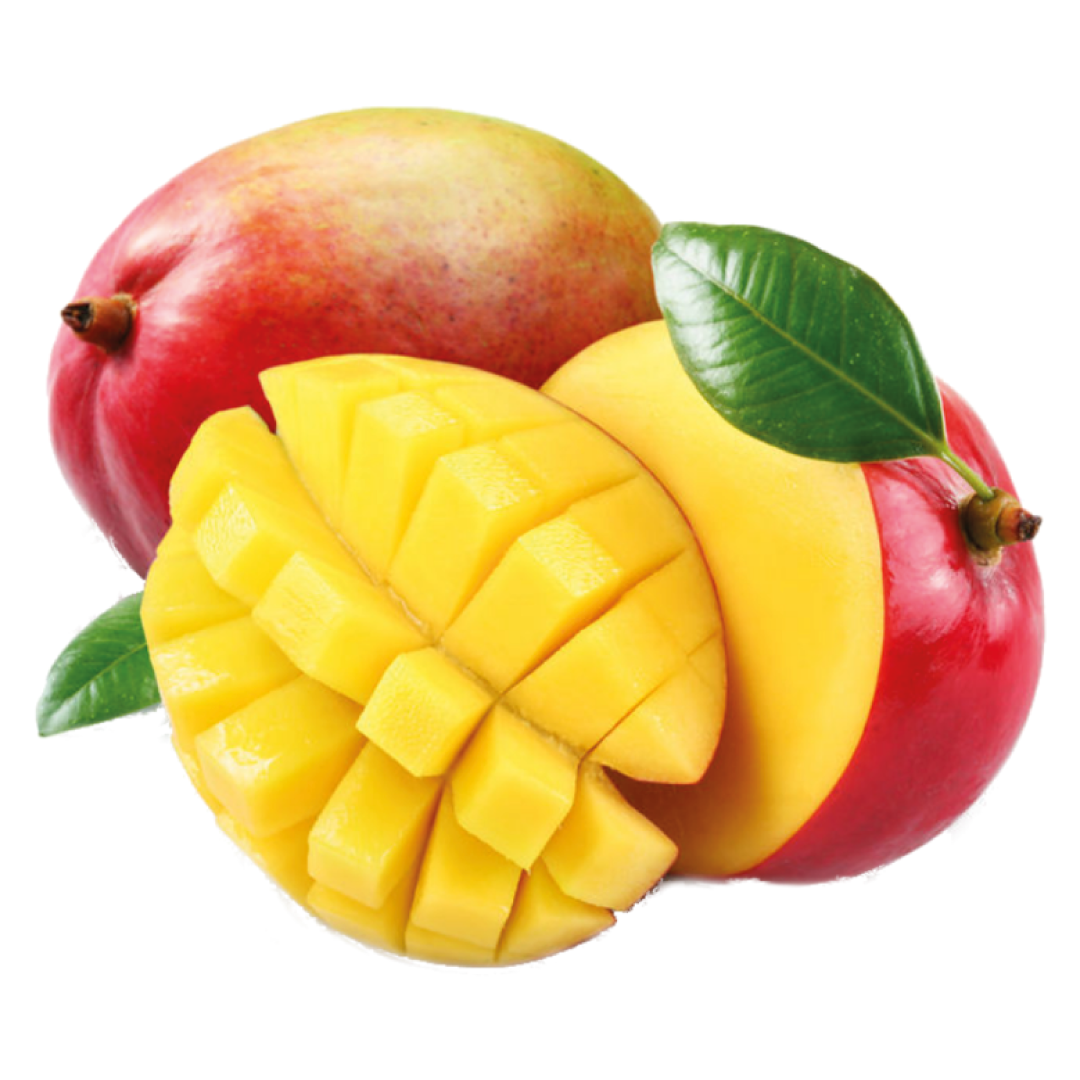
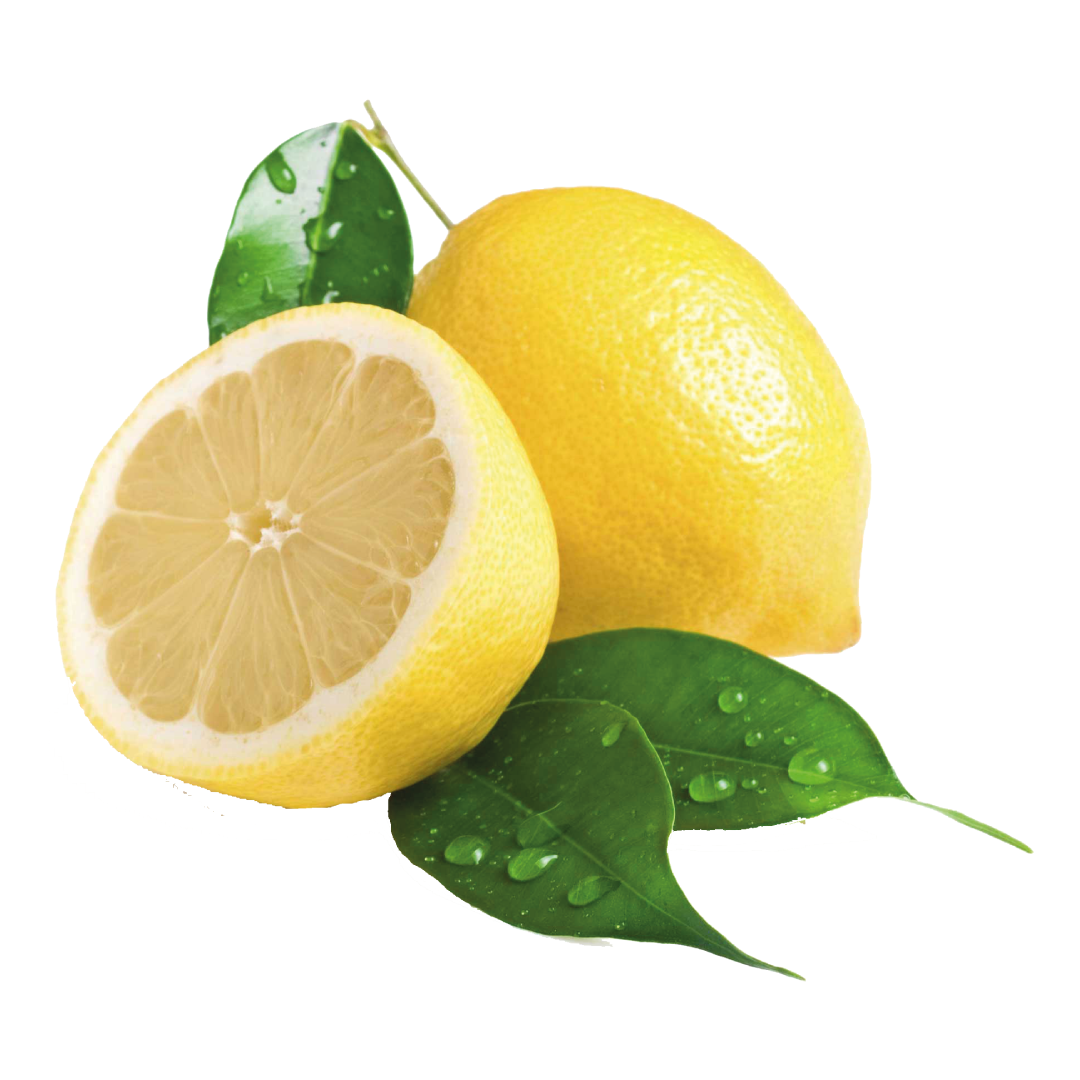
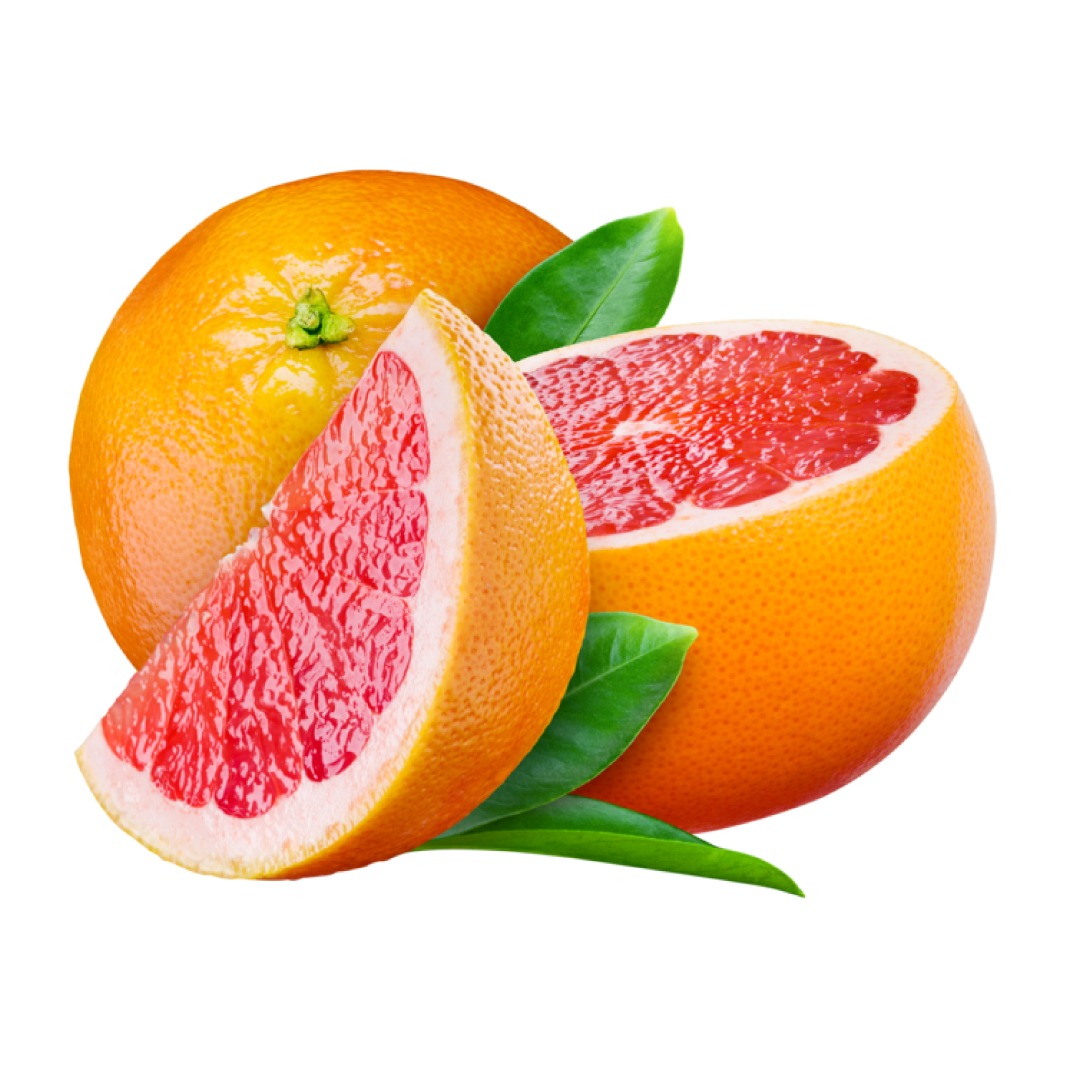
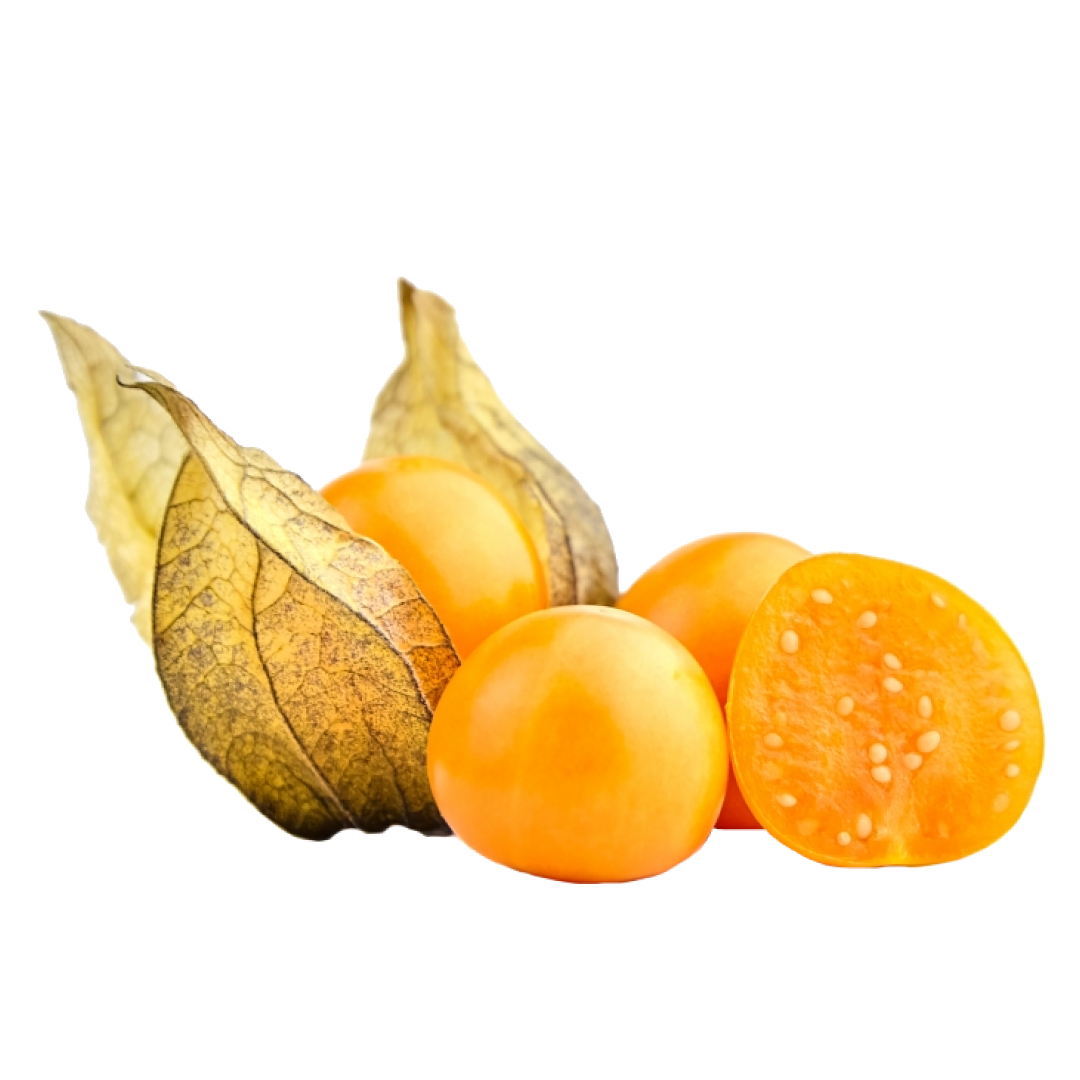
- Citrus and tropical: Yuzu and blood orange dominate recent trends, driven specifically by a strong demand for exotic flavors.
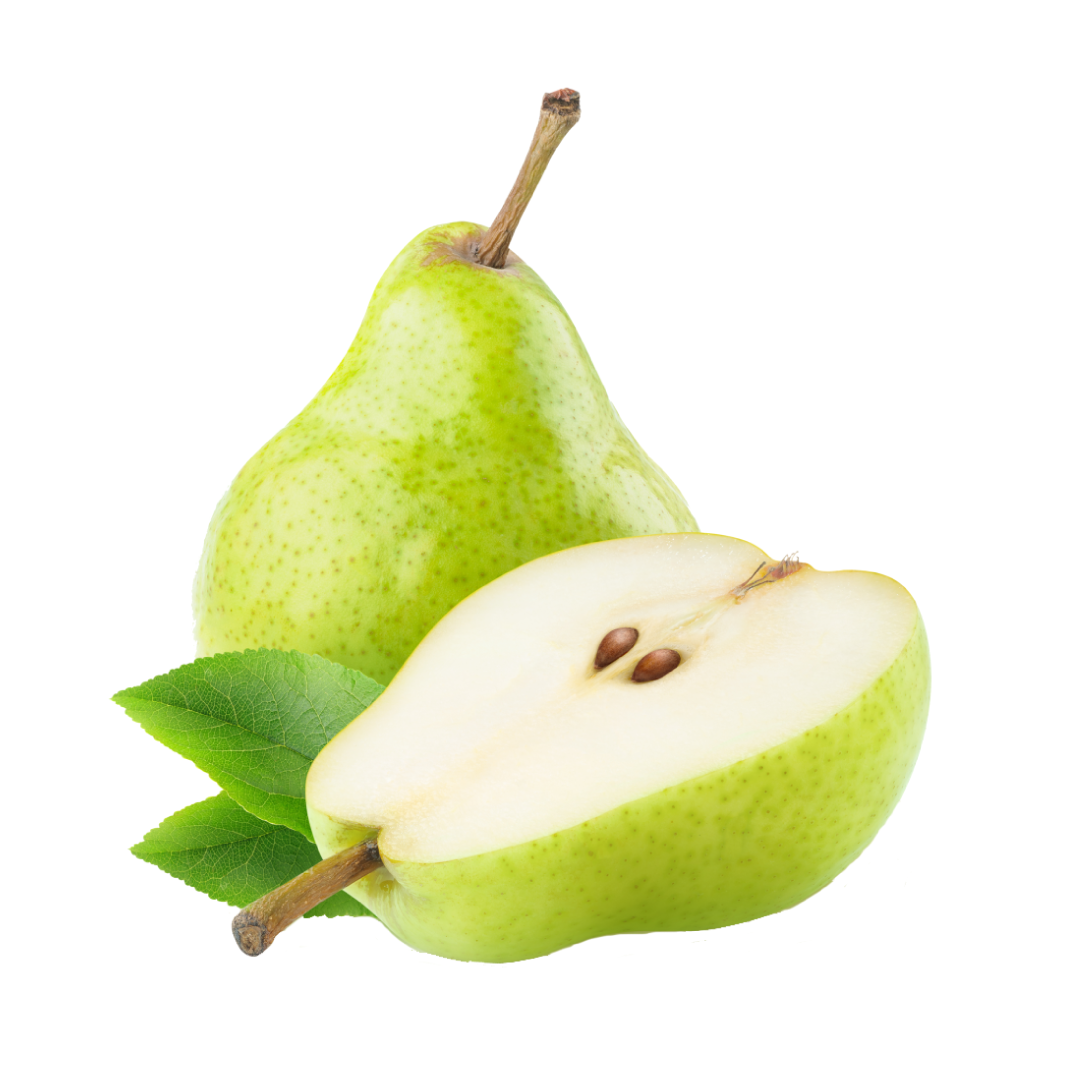
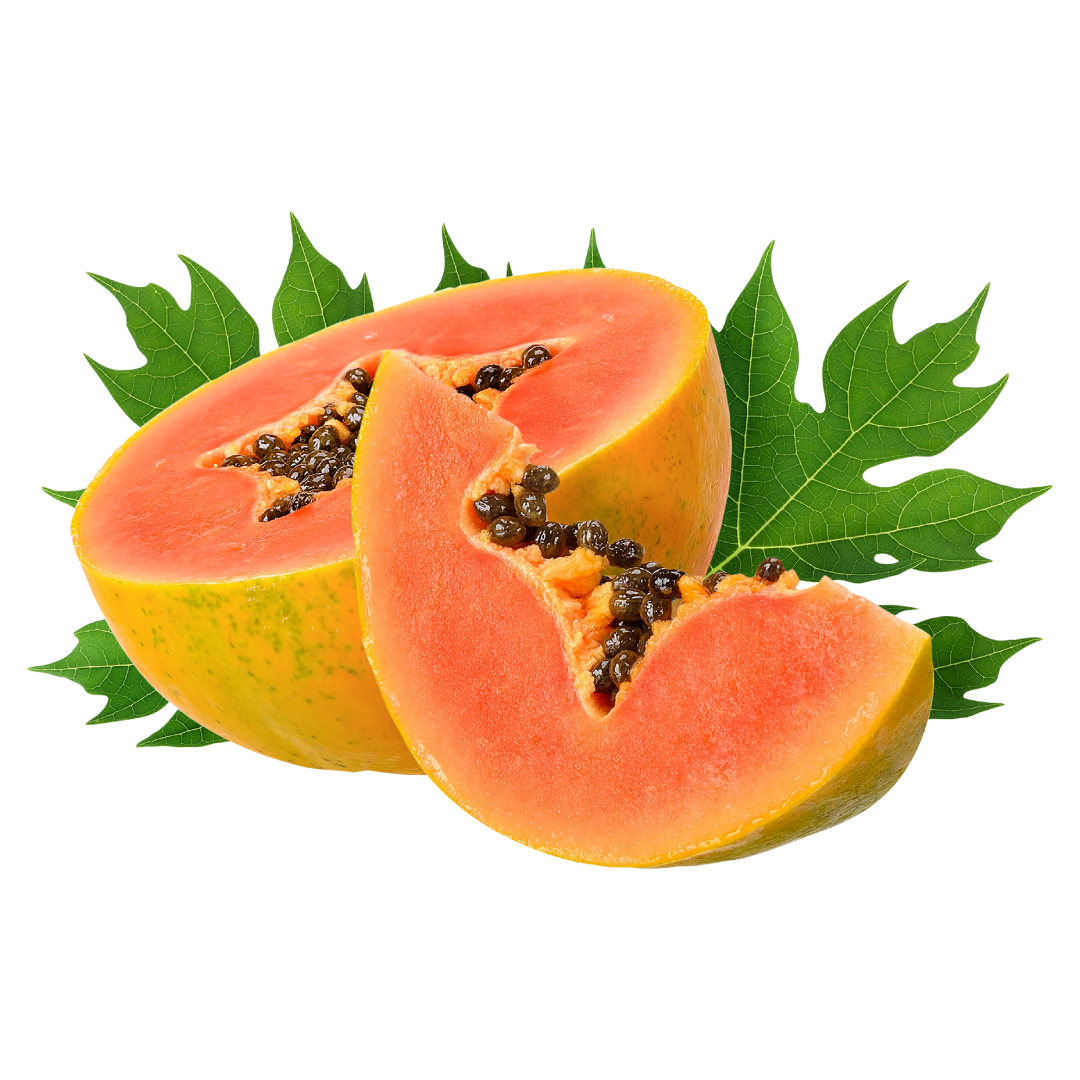
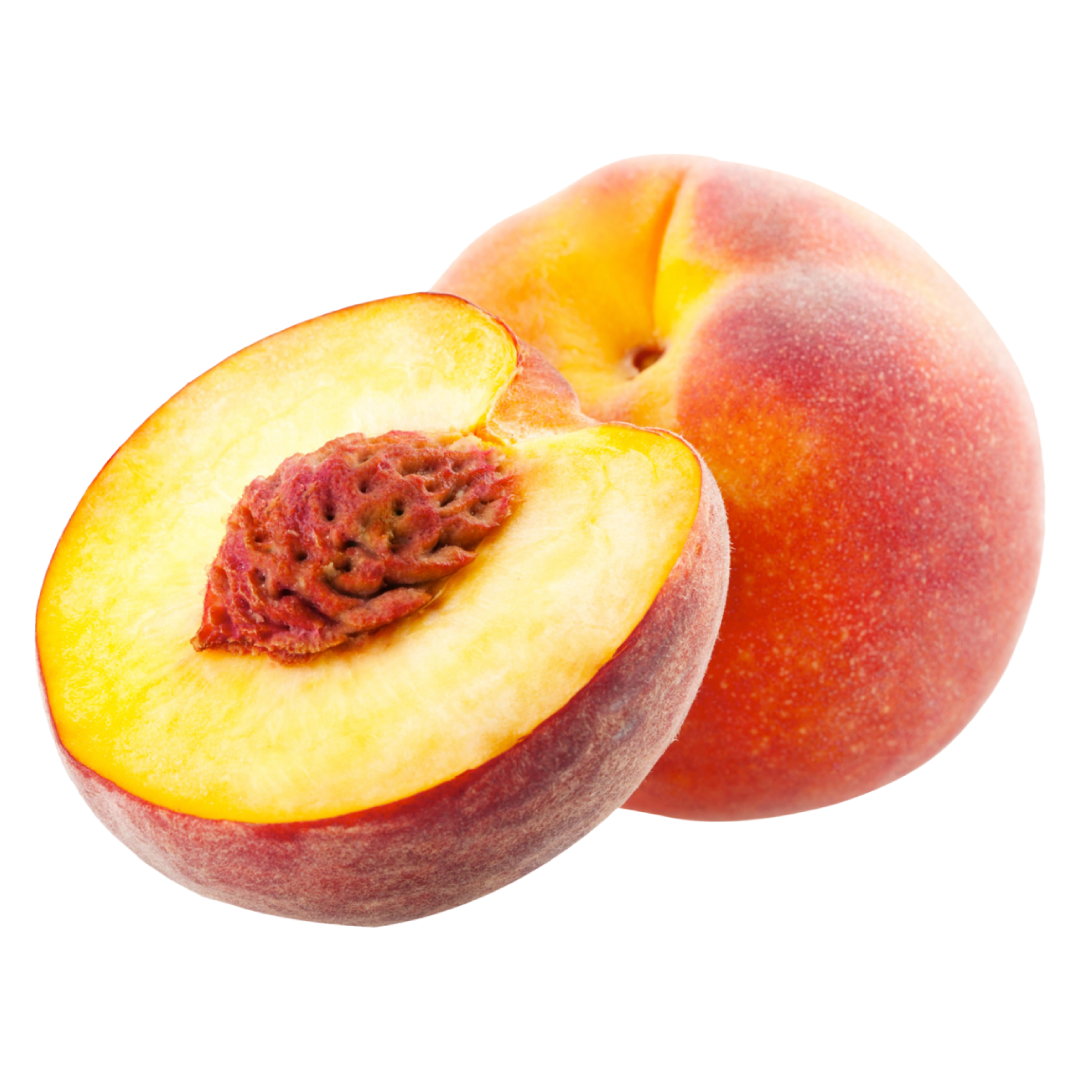
- Stone fruits: Using peaches adds a velvety texture, proving ideal for peach fruit beer created with a medium body.
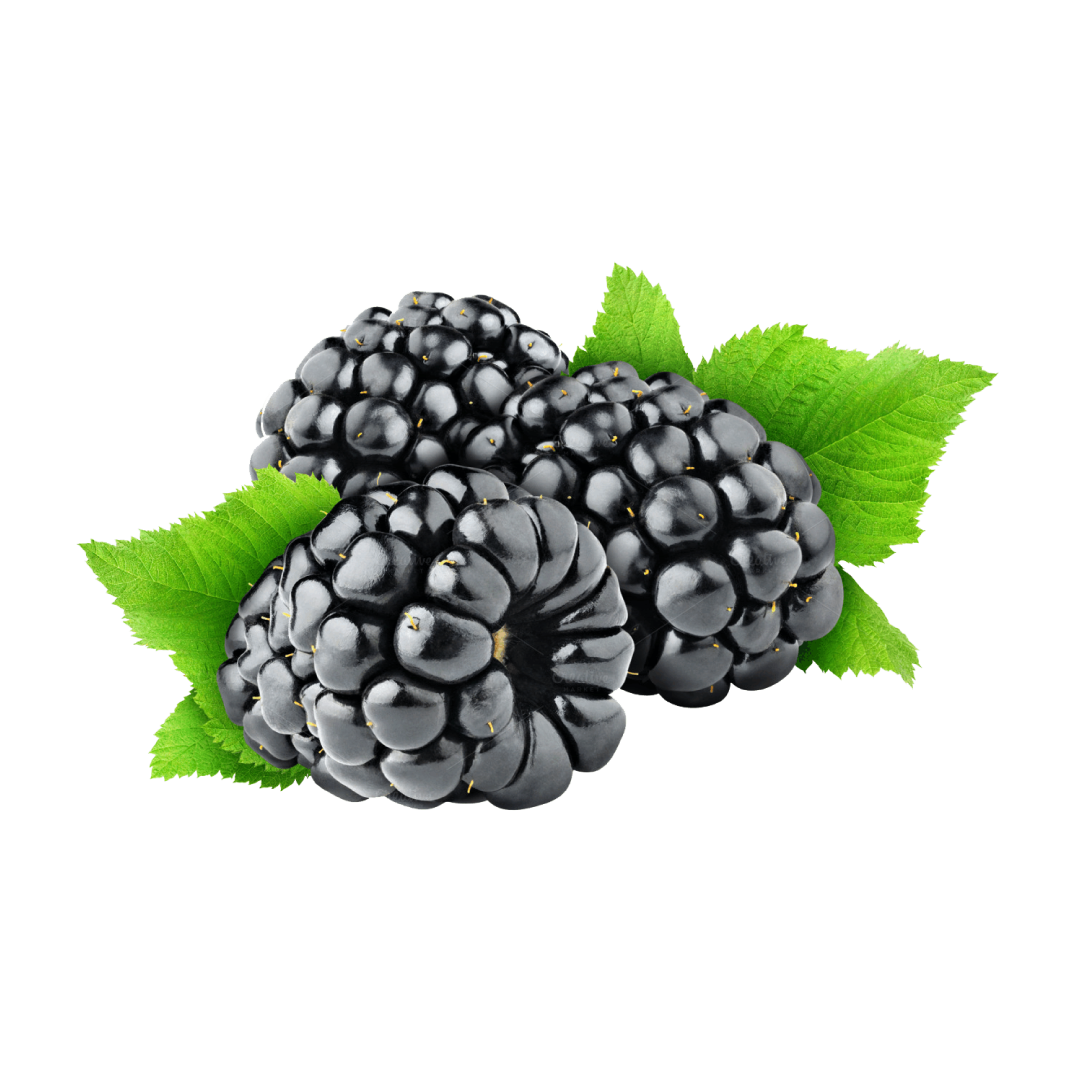
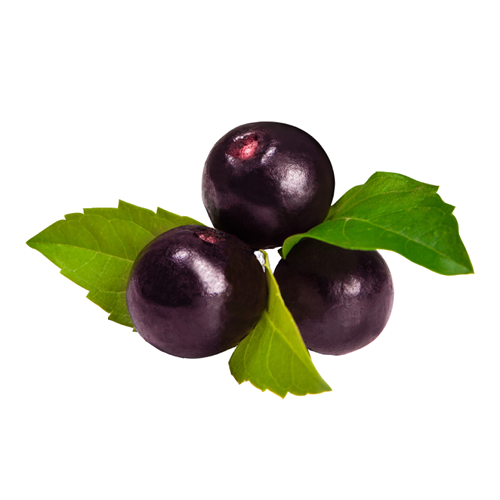
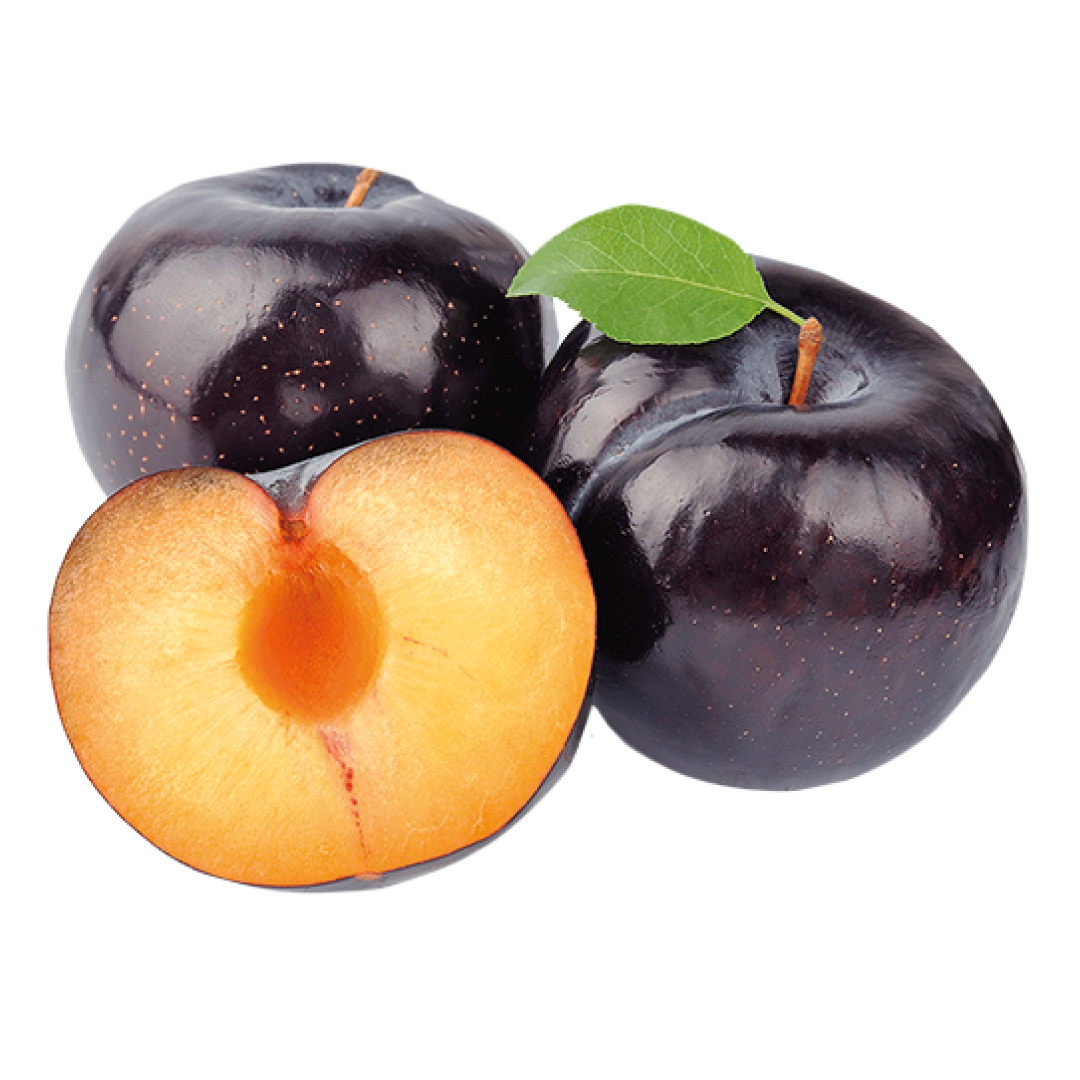
- Dark berries: Innovations with haskap berries or blackberries offer attractive profiles, valued for their healthy perception among consumers.
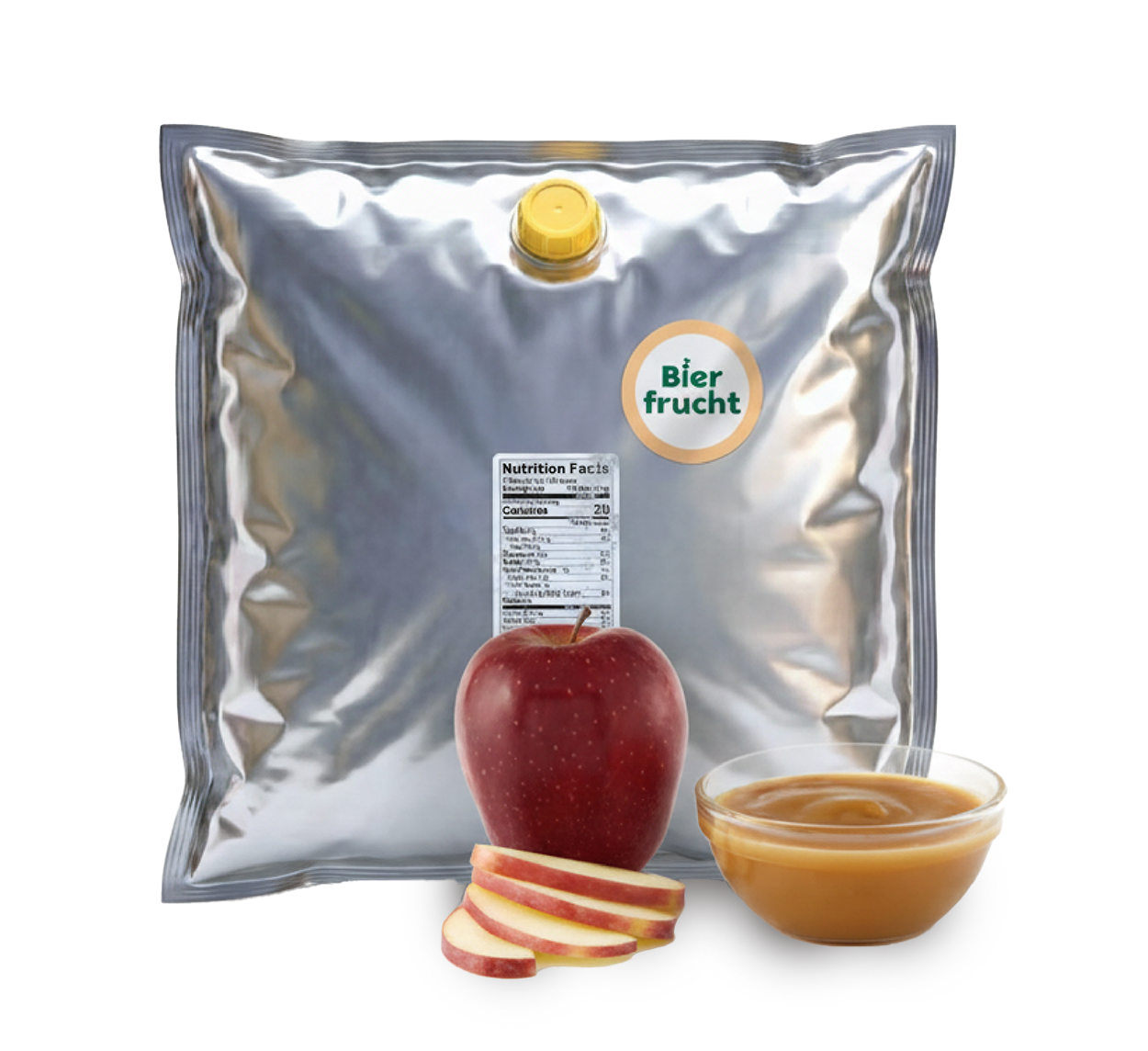
Another frequent concern is whether you find fruit flavored beer all year or only during the season. Harvests dictate natural availability, but using aseptic purees allows breweries to maintain freshness for twelve months.
Brewing Technique and Quality
The brewing process requires technical precision to avoid contaminations, ensuring the final product remains safe and pure. A major unknown for producers is how breweries maintain fruit flavor freshness at an industrial scale. The answer, typically, lies in the input technology used to preserve the integrity of the ingredients.
- First, you must decide when to add fruit, as this affects sugar and alcohol levels significantly.
- Generally, addition occurs after primary fermentation to effectively preserve the volatile aromas present in the mixture.
- A common technique involves creating a fruit-infused beer by using high-quality pasteurized purees for consistency.
This indicates that aseptic technology is crucial for modern breweries, guaranteeing no wild yeasts damage the batch. Furthermore, a berry flavored ale made with real fruit responds better to clean label demands today. It outperforms those made with extracts, offering a more authentic and desirable product for the consumer.
Impact of Fruit Flavored Beer
The consumer dictates the market's course, and their thirst for novelty has significantly driven this specific category. Analyzing preferences helps you know where to buy authentic fruit-forward craft beer in your local area. Generally, the best offer is found in local microbreweries that are focused entirely on product innovation.
H3: Profile and perceived benefits
The rise of fruit flavored beer responds directly to new market demands (Craft Brewing Business, 2021; IMARC Group, 2025; Market Research Future, 2024).
- Health halo: People often ask if there are health benefits to consuming fruit beers in moderation and responsibly. Although it is still alcohol, consumers associate real fruit with a more natural lifestyle and wellness.
- Cocktail substitute: Many drinkers prefer a refreshing peach fruit beer over strong spirits found in bars and clubs. Demand for flavored drinks now exceeds traditional ones in certain segments, showing a clear market shift.
- Low alcohol: Doubts about alcohol content are also common, as people wonder if they have less alcohol content. There is a clear trend towards low ABV fruit beer, where fruit provides flavor without high alcohol.
- Exploration: Millennials seek rare flavors, which significantly drives the sales of smoothie-type options in the market.
Therefore, understanding these motivators proves fundamental for the design of your next fruit flavored beer product. Undoubtedly, positive perception of botanical ingredients remains a decisive factor for attracting new buyers seeking natural options.
Pairings with Fruit Flavored Beer
Knowing how to recommend pairings significantly elevates the customer experience and satisfaction with the served product. When choosing foods that pair best with fruit flavored beer, the key is seeking contrast or complementarity.
For example, a citrus-based fruit-forward craft beer cuts through the grease of fried dishes very well. Likewise, options with red berries go wonderfully with dark chocolate desserts, creating a delightful flavor profile. Without a doubt, this combination generates a perfect balance between acidity and sweetness for the palate.
If you seek a safe bet for light styles, fresh salads with vinaigrettes are ideal options. Educating your customer with these guides not only improves their experience but also builds lasting loyalty.
Future and Fruit Innovation
The market continues expanding, and financial projections validate the investment in this specific product line today. Estimates suggest the global fruit flavored beer market will reach multimillion-dollar valuations by the year 2035.
We will see more hybrid styles like milkshake IPAs, which blur the line between dessert and drink. Also, dense and colorful appearance will remain vital for visual marketing strategies on social media platforms.
Finally, the raspberry segment will continue dominating due to its popularity among young consumers in the market. The "juicy revolution" is, without a doubt, a golden opportunity to differentiate your brand through quality.
Discover how Bierfrucht supports brewers with premium aseptic fruit purees that maintain fresh, vibrant flavors in beer. Explore our selection of fruit purees and elevate your craft brewing with our high-quality ingredients. We have the juiciest flavors that captivate consumers and significantly boost your product line's sales potential. Contact us today to learn more and partner with a reliable supplier dedicated to your success.
References
Craft Brewing Business. (2021, June 22). Forget seltzers, fruit beers are really on the rise. https://www.craftbrewingbusiness.com/news/forget-seltzers-fruit-beers-are-really-on-the-rise/
IMARC Group. (2025). Fruit beer market: Global industry trends, share, size, growth, opportunity and forecast 2025-2033. https://www.imarcgroup.com/fruit-beer-market
Market Research Future. (2024). Fruit beer market research report. https://www.marketresearchfuture.com/reports/fruit-beer-market-6315
PerfectDraft. (n.d.). What is fruit beer?. https://www.perfectdraft.com/en-gb/blog/post/what-is-fruit-beer
The Drinks Business. (2025, January 17). The biggest beer trends to watch in 2025. https://www.thedrinksbusiness.com/2025/01/the-biggest-beer-trends-to-watch-in-2025/